Calcium Carbonate Pigment is the defining factor between an ordinary sheet of paper and a premium, high-gloss printing surface. If you look at the global paper and packaging industry today, the demands from consumers and printing houses are higher than ever. Whether it is glossy magazines, high-end cosmetic packaging, or sharp corporate brochures, the market demands paper that offers brilliant whiteness, perfect smoothness, and flawless ink absorption.
In today’s highly competitive global paper and packaging industry, the difference between a standard sheet and a premium coated paper lies in the details—specifically, in the coating formulation. At the heart of this transformation is Calcium Carbonate Pigment, a material that has evolved from a simple filler into a performance-critical component.
Modern consumers and print buyers are no longer satisfied with average quality. Whether it is high-end magazines, luxury packaging, or corporate marketing materials, expectations now revolve around superior brightness, flawless surface smoothness, and exceptional print clarity.
For paper mills, this shift creates both an opportunity and a challenge. Production managers must consistently deliver high-performance coated paper while managing rising costs associated with raw materials such as wood pulp, specialty chemicals, and energy.
This is precisely where a strategic material choice can redefine both quality and profitability.

Calcium Carbonate Pigment: Why Global Paper Mills Choose Egyptian GCC for Coating Applications
The Industry Shift: Moving Beyond Traditional Coating Materials
For decades, paper mills depended heavily on traditional coating pigments such as kaolin clay and high-cost imported calcium carbonates, particularly from European sources. While effective, these materials come with limitations—both in performance and cost efficiency.
Today, a significant transformation is underway across global paper mills. Manufacturers are actively reformulating their coating recipes to incorporate premium Ground Calcium Carbonate (GCC) sourced from Egypt.
This shift is not accidental. It is driven by a combination of superior natural properties, advanced processing technology, and strong economic advantages.
1. Optical Performance: Achieving Natural Brightness Without Excessive Additives
The primary function of any coating formulation is to enhance the optical characteristics of paper, particularly brightness and opacity. These properties directly influence how printed content appears to the end user.
Historically, achieving high ISO brightness required significant additions of Optical Brightening Agents (OBAs) or expensive pigments such as Titanium Dioxide. While effective, these additives substantially increase formulation costs and introduce long-term stability concerns.
Egyptian Calcium Carbonate Pigment changes this equation entirely.
Sourced from the renowned Minya geological formation, often referred to as “White Gold,” this material offers exceptionally high natural brightness levels, typically exceeding 97–98%. This intrinsic property allows mills to reduce or even partially eliminate reliance on costly chemical brighteners.
Key Advantages:
- Naturally high brightness without chemical dependency
- Reduced formulation costs per ton
- Improved long-term optical stability
- Cleaner and more sustainable production process
By leveraging natural brightness, paper manufacturers can produce visually superior sheets while maintaining tighter cost control.
2. Printability and Ink Interaction: Engineering the Perfect Surface
Print quality is determined not only by the ink or printing technology but also by the microstructure of the paper surface. The interaction between ink and coating dictates sharpness, color vibrancy, and gloss.
A poorly designed coating can lead to:
- Excessive ink absorption, resulting in dull images
- Insufficient absorption, causing smudging and slow drying
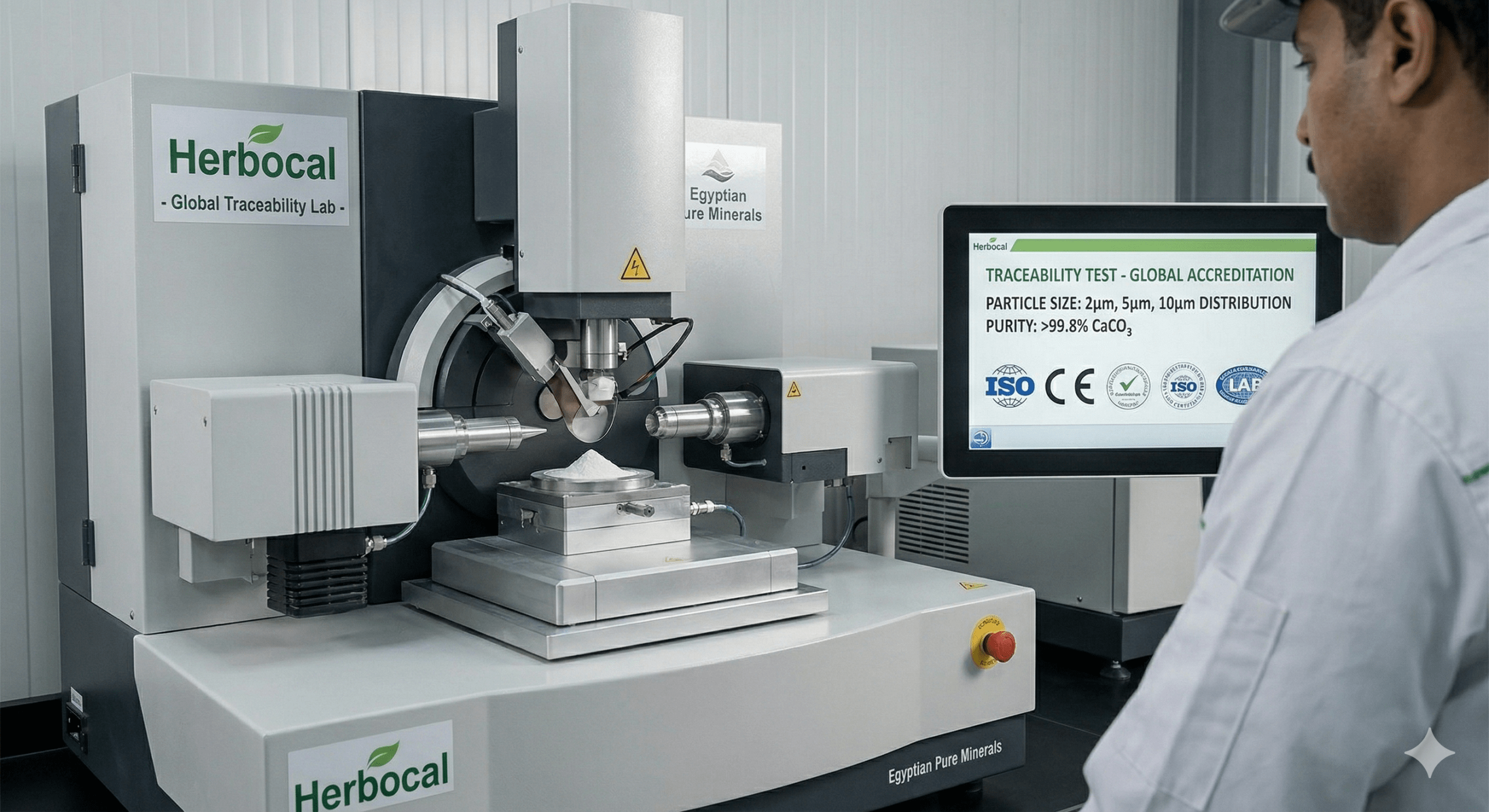
To address this, advanced Calcium Carbonate Pigments are engineered with a highly controlled Particle Size Distribution (PSD). Using state-of-the-art micronization techniques, ultrafine particles—often with a significant percentage below 2 microns—are produced.
These particles create a highly optimized micro-porous structure on the paper surface.
Performance Outcomes:
- Precise ink holdout at the surface level
- Rapid solvent absorption for faster drying
- Enhanced image sharpness and detail
- Superior ink gloss for premium print applications
This balance between absorption and holdout is critical for high-end printing segments, including offset and rotogravure printing.
3. Rheology and High-Speed Machine Efficiency
Modern paper production lines are engineering marvels, capable of operating at speeds of up to 2,000 meters per minute. At these speeds, even minor inconsistencies in coating behavior can lead to significant defects and production losses.
Rheology—the flow behavior of the coating slurry—plays a crucial role in ensuring stable and uniform application.
Low-quality pigments often create excessive viscosity under high shear conditions, leading to:
- Blade scratches
- Uneven coating distribution
- Increased downtime
High-quality Egyptian Calcium Carbonate Pigment, characterized by its rhombohedral particle shape, delivers optimal rheological performance.
Operational Benefits:
- Stable viscosity under high shear stress
- Compatibility with high solid content formulations (up to 70%)
- Reduced water content in coating slurry
- Lower energy consumption in drying sections
By reducing the amount of water that needs to be evaporated, mills can achieve substantial savings in steam and overall energy usage, directly impacting operational efficiency.
Calcium Carbonate Pigment: Why Global Paper Mills Choose Egyptian GCC for Coating Applications
4. Low Abrasion: Extending Equipment Lifespan
In blade coating systems, the coating is applied and metered using precision-engineered blades made from steel or ceramic materials. These components are both critical and costly.
The presence of abrasive impurities—particularly silica—can significantly accelerate blade wear, resulting in:
- Surface defects such as streaks
- Frequent blade replacements
- Increased maintenance costs
- Unplanned machine shutdowns
High-purity Calcium Carbonate Pigment from Egypt offers a distinct advantage in this area. With purity levels exceeding 99% CaCO₃ and minimal abrasive contaminants, the material ensures extremely low abrasion values.
Impact on Operations:
- Extended coater blade lifespan
- Reduced maintenance frequency
- Improved production stability
- Higher Overall Equipment Effectiveness (OEE)
Protecting critical machine components not only reduces direct costs but also enhances overall production reliability.
5. Logistics and Supply Chain Reliability
In addition to product performance, supply chain efficiency is a key factor in raw material selection. Large-scale paper mills require consistent, high-volume deliveries without disruption.
Egypt’s strategic geographic location—positioned between Europe, Asia, and Africa—provides a significant logistical advantage. With access to both the Mediterranean Sea and the Red Sea, shipping routes are optimized for speed and reliability.
Logistical Advantages:
- Shorter transit times compared to Far East suppliers
- Competitive shipping costs
- Reliable export infrastructure
Furthermore, strict packaging standards ensure product integrity during transport. Calcium Carbonate Pigment is typically shipped in heavy-duty, moisture-resistant jumbo bags or customized bulk solutions.
This guarantees that the material arrives dry, stable, and ready for immediate use in coating preparation systems.

Calcium Carbonate Pigment: Why Global Paper Mills Choose Egyptian GCC for Coating Applications
Conclusion Calcium Carbonate Pigment : A Smarter Approach to Coating Formulation
The global paper industry is evolving rapidly, and success increasingly depends on the ability to deliver premium-quality products while maintaining cost efficiency.
Calcium Carbonate Pigment has emerged as a cornerstone of modern coating technology, offering a powerful combination of optical performance, printability, operational efficiency, and equipment protection.
Egyptian-sourced material, in particular, provides a unique value proposition:
- Exceptional natural brightness
- Precisely engineered particle structure
- Low abrasion and high purity
- Strong logistical advantages
For paper mills aiming to remain competitive in demanding markets, reformulating coating recipes with high-quality Ground Calcium Carbonate is no longer an option—it is a strategic necessity.
If you are looking to enhance your coated paper quality while reducing production costs, it is time to rethink your coating formulation.
Connect with the HERBOCAL Paper Technology & Export Team today to discover how premium Egyptian Calcium Carbonate Pigment can optimize your production process and elevate your product performance.