Shipping Costs in GCC Procurement can have a much bigger impact on the final cost of industrial raw materials than many buyers initially expect.
When purchasing calcium carbonate from an international supplier, it is easy to focus on one number: the price per ton.
But the price shown on a quotation is only part of the real purchasing cost.
Freight, port handling, documentation, transit time, shipment size, delivery reliability, and other logistics-related factors can all influence what a manufacturer actually pays before the material reaches its facility.
For manufacturers in the Gulf Cooperation Council (GCC), understanding these costs is especially important. Companies in Saudi Arabia, the United Arab Emirates, Oman, Qatar, Kuwait, and Bahrain often source industrial minerals internationally, making logistics an important part of procurement decisions.
At HERBOCAL, we believe that a good procurement decision starts with looking at the complete picture—not simply choosing the supplier with the lowest product price.
Shipping Costs in GCC Procurement: What Calcium Carbonate Buyers Should Consider
The Difference Between Product Price and Landed Cost
One of the most common mistakes in international procurement is evaluating suppliers based only on their quoted price per metric ton.
For GCC manufacturers purchasing calcium carbonate internationally, Shipping Costs in GCC Procurement can have a significant impact on the final cost of the material.
Consider two suppliers offering similar calcium carbonate grades.
Supplier A offers a lower product price, while Supplier B quotes a slightly higher price but provides more efficient shipping arrangements, better loading coordination, shorter transit times, and fewer unexpected logistics charges.
At first glance, Supplier A appears to be the cheaper option.
However, once freight, handling, documentation, port charges, insurance, and other applicable import-related expenses are included, the actual cost delivered to the buyer may tell a very different story.
This final amount is commonly referred to as the landed cost.
For GCC manufacturers, the procurement calculation should therefore look more like:
Product Cost + Freight + Handling + Port Charges + Related Import Costs = Landed Cost
This is why Shipping Costs in GCC Procurement should be evaluated from the beginning of the sourcing process rather than considered only after a supplier has been selected.
A supplier with a competitive product price may not necessarily provide the most competitive overall procurement cost.
Why Shipping Matters So Much for Calcium Carbonate
Calcium carbonate is widely used across industries such as plastics, PVC, paints and coatings, paper, rubber, construction materials, adhesives, and other manufacturing sectors.
Because many industrial buyers purchase calcium carbonate in substantial quantities, Shipping Costs in GCC Procurement can represent an important component of the overall purchasing budget.
A freight difference of only a few dollars per metric ton may appear insignificant when evaluating a single shipment.
However, when a manufacturer imports hundreds or thousands of tons annually, even a small difference in transportation cost can accumulate into a meaningful amount.
For this reason, logistics efficiency should be considered alongside product quality, technical specifications, supplier reliability, and price when evaluating an international calcium carbonate supplier.
The objective is not necessarily to find the supplier that is geographically closest.
Instead, GCC buyers should look for the supplier offering the best overall combination of:
- Product quality
- Competitive product pricing
- Freight efficiency
- Shipment flexibility
- Reliable delivery
- Export documentation
- Supply consistency
- Overall landed cost
Understanding Shipping Costs in GCC Procurement therefore allows purchasing teams to move from simple price comparison toward a more complete evaluation of total procurement value.
Egypt’s Geographic Position Creates a Strategic Advantage
For GCC buyers, Egypt offers an important geographical position for international mineral trade.
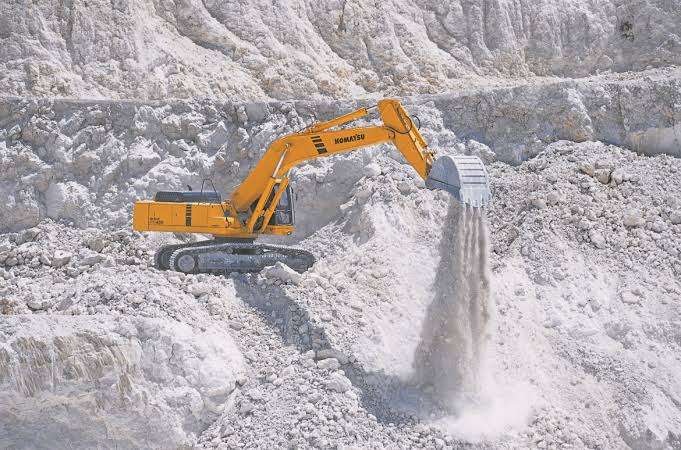
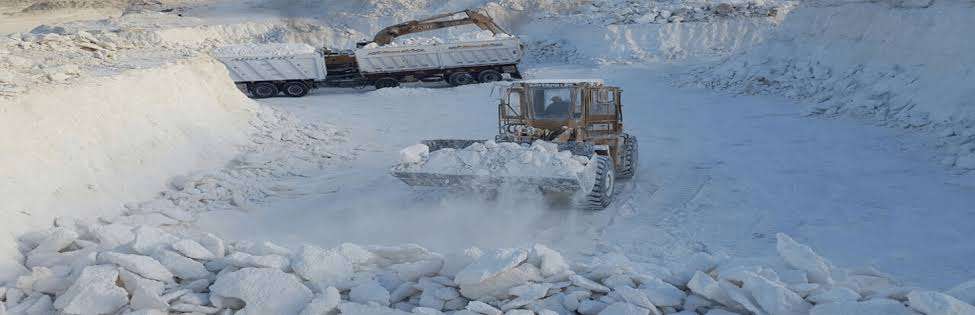
HERBOCAL operates in Minya, Egypt, an important limestone-producing region, while export operations can be coordinated through Egypt’s established maritime infrastructure, including Alexandria Port.
This connection between the production region and international shipping infrastructure can support the movement of calcium carbonate toward overseas markets.
For GCC buyers, the importance of this positioning goes beyond the physical distance between Egypt and the destination market.
Shipping Costs in GCC Procurement can also be influenced by factors such as:
- Port accessibility
- Available maritime routes
- Vessel and container availability
- Shipment volume
- Loading efficiency
- Transit times
- Documentation requirements
- Port handling
- Coordination between supplier, freight forwarder, and buyer
A well-organized export process can help make international calcium carbonate sourcing more predictable and easier to manage.
For bulk buyers, effective shipment planning can also help reduce avoidable logistics costs and improve inventory planning.
A Lower Product Price Does Not Always Mean Lower Procurement Cost
Consider a simple example.
Suppose Supplier A offers calcium carbonate at $100 per ton, while Supplier B offers the material at $105 per ton.
Based purely on the product quotation, Supplier A appears to be the more economical choice.
But imagine that Supplier A has higher freight charges, less efficient loading, longer transit times, or additional handling costs.
After all applicable logistics expenses are included, Supplier B may ultimately provide the lower landed cost.
This example demonstrates why Shipping Costs in GCC Procurement should be evaluated together with the product price rather than separately.
Experienced procurement teams do not ask only:
“What is your price per ton?”
They also ask:
“What will be my total landed cost when the material reaches my facility?”
This broader approach provides a more accurate basis for comparing international calcium carbonate suppliers.
What GCC Buyers Should Include in Their Shipping Cost Analysis
Before selecting a supplier, procurement teams should consider the complete logistics structure rather than focusing exclusively on the quoted freight rate.
Key factors can include:
- Calcium carbonate product price
- Ocean freight
- Port and terminal charges
- Loading and handling costs
- Documentation
- Insurance where applicable
- Customs and import-related costs
- Inland transportation to the final destination
- Shipment size and frequency
- Transit time
- Delivery reliability
By incorporating these factors into the purchasing analysis, manufacturers can better understand the real impact of Shipping Costs in GCC Procurement and make supplier decisions based on total landed cost rather than the lowest initial quotation.
Ultimately, the most competitive supplier is not always the one offering the lowest price per ton. It is the supplier capable of delivering the required calcium carbonate specification with a competitive total landed cost, reliable logistics, and consistent supply.
Shipping Costs in GCC Procurement: What Calcium Carbonate Buyers Should Consider
Shipment Size Can Influence the Final Cost
Shipping Costs in GCC Procurement are strongly influenced by shipment volume, packaging format, transportation method, and how efficiently each order is planned.
For international GCC buyers, the cost of transporting calcium carbonate is not simply a fixed amount per metric ton. Freight economics can change depending on the size of the shipment, container utilization, packaging requirements, destination port, and prevailing transportation rates.
Smaller shipments can result in higher transportation costs per ton because certain logistics expenses are distributed across a limited volume of material. Larger, well-planned shipments may allow buyers to achieve better freight efficiency by distributing applicable logistics costs across a greater quantity.
This makes shipment planning an important part of managing Shipping Costs in GCC Procurement.
For manufacturers with recurring calcium carbonate requirements, purchasing plans can be coordinated with production forecasts and shipping schedules to improve supply-chain efficiency.
Instead of treating every purchase as an isolated transaction, procurement teams and suppliers can plan:
- Expected annual or quarterly volume
- Shipment frequency
- Container or bulk-shipping requirements
- Preferred packaging format
- Production schedules
- Delivery windows
- Safety-stock requirements
- Destination port requirements
This approach can help buyers better forecast landed costs and reduce unexpected logistics expenses.
Long-term supply arrangements can also make it easier to coordinate production and shipping schedules, particularly when the buyer has predictable annual demand.
Ultimately, effective management of Shipping Costs in GCC Procurement begins before the shipment leaves the supplier’s facility. Forecasting demand, selecting the appropriate shipment size, and coordinating logistics in advance can all contribute to a more predictable procurement strategy.
Transit Time Has a Financial Value
Shipping Costs in GCC Procurement are not limited to the freight amount shown on a quotation.
Time also has a financial value.
A calcium carbonate supplier may offer an attractive product price, but unpredictable transit times or inconsistent delivery schedules can create additional costs for manufacturers.
If a production facility runs short of calcium carbonate, the consequences may extend far beyond the original shipping expense.
Potential impacts include:
- Production delays
- Emergency raw-material purchases
- Expedited transportation costs
- Missed customer delivery commitments
- Increased inventory pressure
- Unplanned production scheduling
- Higher working-capital requirements
For this reason, procurement managers should evaluate freight cost, transit time, delivery reliability, and supply continuity together when comparing international calcium carbonate suppliers.
A lower freight quotation is not necessarily the most economical option if it comes with significantly longer or less predictable delivery times.
When evaluating Shipping Costs in GCC Procurement, buyers should therefore consider the complete logistics picture:
- Freight rate
- Shipment size
- Packaging method
- Transit time
- Port of origin
- Destination port
- Customs and handling requirements
- Delivery schedule
- Supplier production capacity
- Buffer-stock requirements
HERBOCAL focuses on consistent product quality, scalable production, and reliable supply planning to support international customers with recurring calcium carbonate requirements.
For industrial buyers, this broader approach helps shift the focus from simply finding the lowest freight quotation toward achieving a predictable and cost-efficient landed supply.
In large-volume GCC procurement, reliable delivery can be just as important as the initial product price because supply interruptions can quickly turn a seemingly low-cost purchase into a more expensive procurement decision.

Shipping Costs in GCC Procurement: What Calcium Carbonate Buyers Should Consider
Quality and Logistics Should Be Evaluated Together
It may seem strange to discuss product quality in an article about shipping costs.
In reality, the two are closely connected.
Imagine receiving a shipment at a very competitive freight rate, only to discover that the calcium carbonate does not meet the agreed technical specifications.
The buyer may then face additional costs related to:
- Production adjustments
- Rejected material
- Reprocessing
- Replacement shipments
- Delayed production
- Customer complaints
This is why the cheapest logistics option is not necessarily the most economical option.
A reliable supplier should be able to combine consistent product specifications with dependable delivery.
HERBOCAL produces Ground Calcium Carbonate, coated calcium carbonate, high-brightness grades, and customized solutions, with quality control built into its production process.
That combination allows buyers to evaluate both the material and the supply process as part of one procurement decision.
Why GCC Buyers Should Look Beyond the Quotation
When comparing calcium carbonate suppliers, GCC procurement teams should consider more than the product price.
Here are some of the questions worth asking:
1. Where is the material produced?
Knowing the production location helps buyers understand the potential logistics structure and available shipping routes.
2. Which port will handle the shipment?
Port selection can influence freight arrangements, transit planning, and handling costs.
3. What is included in the quotation?
Buyers should understand whether the quotation includes freight, insurance, loading, documentation, or other costs.
4. What shipment size is most efficient?
Larger or regularly scheduled shipments may provide different cost structures than small, irregular orders.
5. How reliable is the supplier?
A low price has limited value if deliveries are consistently late.
6. Does the supplier maintain consistent quality?
Quality problems can create costs that are much higher than the initial price difference.
7. Can the supplier support long-term procurement planning?
A supplier that understands the buyer’s expected annual requirements can often help create a more efficient supply strategy.
These questions allow buyers to compare suppliers based on total value rather than headline price.
HERBOCAL’s Approach to GCC Supply
At HERBOCAL, we understand that supplying calcium carbonate internationally requires more than producing a high-quality mineral.
The material has to reach the customer in the right condition, at the right time, and according to the agreed specifications.
HERBOCAL’s operations start with limestone resources in Minya and continue through processing and micronization before products are prepared for international markets. The company serves customers across the Middle East and other global markets.
This integrated approach gives HERBOCAL greater control over important stages of the supply chain.
For GCC buyers, this can make communication easier because technical requirements, production requirements, packaging, and export coordination can be discussed directly with the supplier.
From Supplier to Long-Term Procurement Partner
There is an important difference between buying a shipment and building a supply relationship.
A one-time purchase may focus heavily on price.
A long-term procurement relationship focuses on:
Consistency + Quality + Logistics + Communication + Cost Control
This is especially important for manufacturers that depend on calcium carbonate as a regular production input.
When a supplier understands the buyer’s application and purchasing schedule, it becomes easier to plan future shipments and maintain a stable supply.
At HERBOCAL, the goal is not simply to complete an export transaction.
The goal is to build long-term relationships based on reliability, consistent product performance, and a clear understanding of customer requirements.
How GCC Manufacturers Can Reduce Shipping-Related Costs
While international freight rates can change, manufacturers can take practical steps to improve procurement efficiency.
Plan Orders in Advance
Last-minute purchases often leave buyers with fewer logistics options.
Forward planning allows procurement teams to compare shipment schedules and avoid unnecessary urgency.
Consolidate Demand When Practical
Instead of placing many small orders, manufacturers can evaluate whether larger, strategically planned shipments make financial sense for their operation.
Compare Landed Cost
Do not compare supplier prices alone.
Ask each supplier for the information required to estimate the complete delivered cost.
Choose the Right Packaging
Packaging requirements can influence handling, storage, and transportation efficiency.
The best format depends on the customer’s production system and logistics setup.
Work With a Supplier That Understands Your Market
A supplier experienced in international trade can help buyers navigate documentation, shipment planning, and communication more efficiently.
Shipping Costs in GCC Procurement: What Calcium Carbonate Buyers Should Consider
The Real Meaning of Cost Efficiency in GCC Procurement
Cost efficiency does not mean finding the lowest number on a quotation.
It means achieving the best possible result for the money invested.
For calcium carbonate buyers, that means finding a supplier capable of combining:
- Competitive product pricing
- Consistent quality
- Efficient logistics
- Reliable delivery
- Suitable technical specifications
- Flexible supply planning
- Strong communication
This is where a supplier such as HERBOCAL can create value beyond the material itself.
With its production base in Minya, Egypt, access to high-quality limestone resources, controlled processing, and export capabilities through Alexandria Port, HERBOCAL is positioned to serve international manufacturers looking for dependable calcium carbonate supply.
Final Thoughts: Look at the Complete Cost, Not Just the Price
For GCC manufacturers, shipping should never be treated as an afterthought.
When importing industrial minerals such as calcium carbonate, freight and logistics can directly influence the final procurement cost—and, in some cases, the reliability of the entire production process.
The smartest approach is to evaluate the total landed cost while considering product quality, shipment reliability, lead times, and long-term supply requirements.
At HERBOCAL, we believe that international sourcing works best when the supplier and buyer look at the complete supply chain together.
Because the best deal is not always the supplier with the lowest price.
It is the supplier that delivers the right product, at the right quality, with reliable logistics, and at a competitive total cost.
If your company in the GCC is looking for a reliable calcium carbonate supplier from Egypt, HERBOCAL is ready to discuss your technical requirements, expected volumes, and delivery needs.
Contact HERBOCAL today and let us help you build a more efficient calcium carbonate supply strategy.
Frequently Asked Questions
What is landed cost in GCC procurement?
Landed cost is the total cost of obtaining a product and bringing it to its destination. For imported calcium carbonate, it can include the product price, freight, handling, and other applicable import-related expenses.
Why should GCC buyers consider shipping costs when purchasing calcium carbonate?
Because the quoted product price does not necessarily represent the final amount paid by the buyer. Freight and logistics can significantly influence the total procurement cost, especially for large-volume industrial purchases.
Why is Egypt strategically positioned for calcium carbonate exports?
Egypt’s location connects Africa, the Middle East, Europe, and Asia through established maritime trade routes. HERBOCAL is based in Minya and states that its location supports shipping through Alexandria Port to international markets.
Does HERBOCAL supply calcium carbonate to GCC markets?
HERBOCAL states that it serves customers and distributors across the Middle East as part of its international market network.
What should buyers ask a calcium carbonate supplier before placing an order?
Buyers should ask about product specifications, quality consistency, packaging, shipment size, delivery schedule, quotation terms, logistics arrangements, and the estimated total landed cost.