Calcium Carbonate Pricing is often the very first topic on the table when procurement managers, formulation engineers, and factory owners reach out to us. Whether you are manufacturing heavy-duty PVC pipes, formulating high-opacity architectural paints, or producing premium paper, this essential mineral makes up a significant portion of your raw material volume. Therefore, knowing exactly what goes into the cost of this material is absolutely crucial for protecting your bottom line and ensuring your end products remain competitive in a crowded market.
When I sit down with new clients here at HERBOCAL, I often notice a common misconception. Many buyers assume that because calcium carbonate is a naturally occurring mineral derived from limestone, its price should be completely uniform across the board, treating it as a simple, generic commodity. However, the journey from a solid, raw rock deep in the earth to an ultra-fine, highly purified powder flowing seamlessly into your factory’s extruders is incredibly complex. The final price you pay is shaped by a carefully orchestrated series of engineering, processing, and logistical steps.
Let me walk you through the complete supply chain and the underlying factors that dictate Calcium Carbonate Pricing, breaking down exactly what you are paying for and why investing in the right quality from a reliable partner ultimately saves your business money in the long run.
Calcium Carbonate Pricing: Understanding the Complete Cost Structure from Quarry to Final Delivery
1. The Geological Source and Raw Material Purity
Calcium Carbonate Pricing begins with the quality and availability of the geological source. Before limestone reaches a processing plant, its natural characteristics already influence the economics of producing the final calcium carbonate grade.
Not all limestone deposits have the same chemical and physical properties. Calcium carbonate content, whiteness, brightness, mineral impurities, crystalline characteristics, and consistency can vary significantly between deposits. These characteristics determine how much processing may be required to achieve the specifications demanded by different industrial applications.
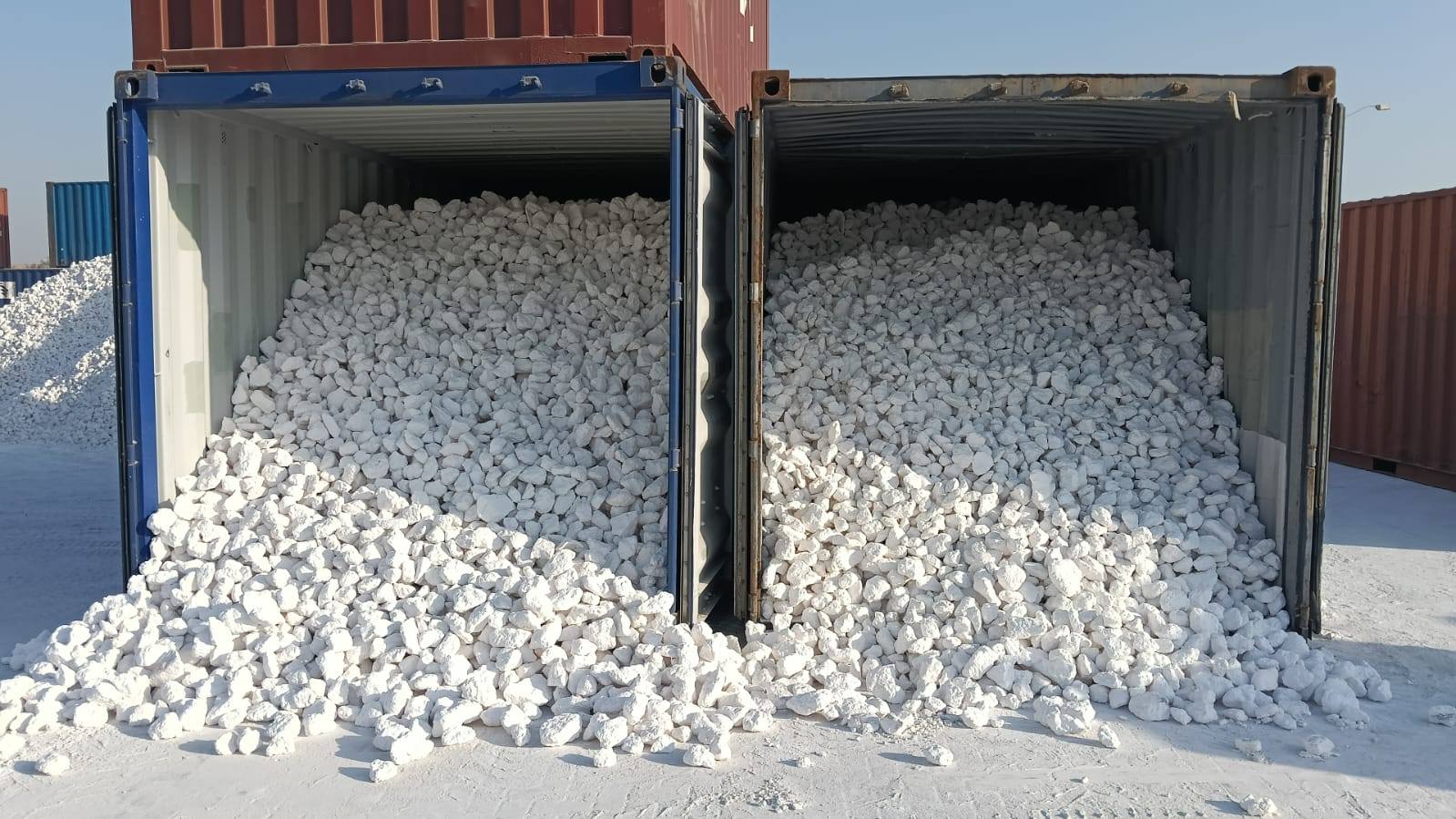
At HERBOCAL, our operations are strategically located near Minya, Egypt, a region known for its high-quality limestone resources. Starting with suitable, high-calcium raw material can reduce the need for intensive corrective processing and helps support the production of consistent calcium carbonate grades.
Lower-quality limestone may contain higher levels of unwanted minerals such as iron-bearing compounds, silica, magnesium-containing minerals, or other impurities. Depending on the required final specification, removing or controlling these impurities can require additional processing, sorting, washing, or other beneficiation steps.
These additional operations can increase energy consumption, processing time, equipment requirements, and ultimately the overall Calcium Carbonate Pricing.
For industrial buyers, this means that the geological source is more than a matter of location. The quality of the limestone entering the production process can have a direct impact on processing requirements, product consistency, and the final cost of the calcium carbonate grade.
2. Extraction and Mining Operations
Mining and quarrying represent another important component of Calcium Carbonate Pricing.
Extracting limestone safely and efficiently requires significant investment in quarry infrastructure, drilling and excavation equipment, material handling systems, skilled personnel, maintenance, environmental controls, and workplace safety procedures.
The cost of extraction can vary depending on the geological characteristics of the deposit, quarry depth, production volume, equipment requirements, fuel and energy costs, labor, and regulatory requirements.
The structure of the supply chain also influences Calcium Carbonate Pricing.
Some companies operate primarily as traders or intermediaries, purchasing material from independent quarries and outsourcing processing to third-party grinding facilities. In such cases, the final price may include multiple commercial and logistics margins throughout the supply chain.
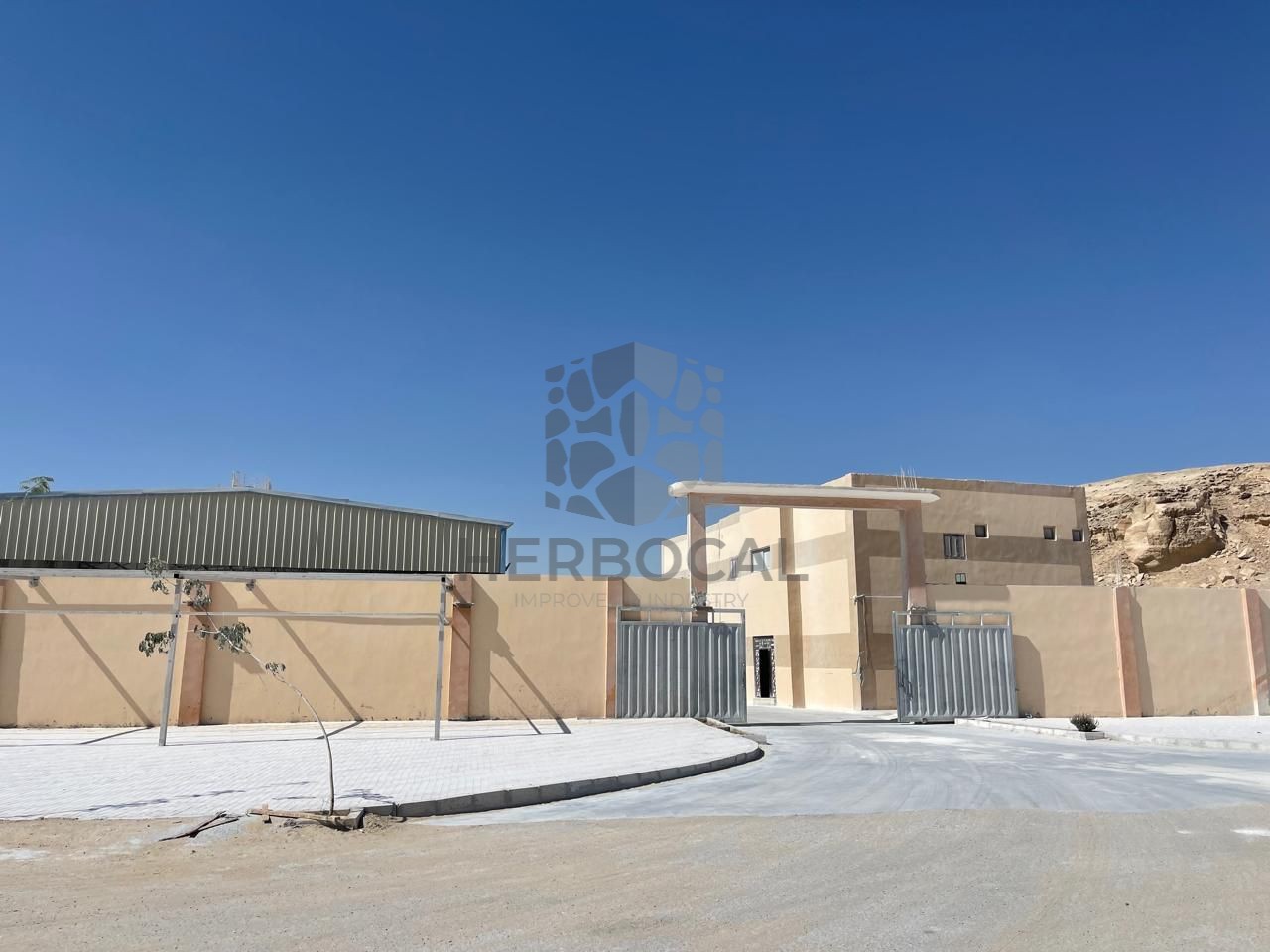
HERBOCAL follows a more integrated approach, maintaining control over key stages from raw material sourcing and extraction through processing and packaging.
This level of vertical integration can provide greater control over raw material selection, production planning, quality specifications, and supply consistency while helping reduce unnecessary supply-chain layers.
For bulk buyers, understanding how calcium carbonate moves from quarry to finished product provides important context when comparing supplier quotations and evaluating Calcium Carbonate Pricing.
3. Milling, Grinding, and Particle Size Distribution (PSD)
After extraction, limestone must be crushed, processed, classified, and ground to achieve the required calcium carbonate particle size.
Milling and micronization can represent a significant portion of manufacturing costs, particularly when producing fine and ultra-fine Ground Calcium Carbonate (GCC).
In general, producing finer calcium carbonate requires more controlled processing and greater energy input than producing relatively coarse grades.
For example, granulated calcium carbonate in larger particle sizes may require less intensive grinding than micronized GCC designed for applications requiring highly controlled particle size distribution.
Producing micronized calcium carbonate at particle sizes that may reach sub-micron or approximately 0.7-micron ranges requires specialized grinding, classification, and quality-control systems.
This is one reason particle size has such an important relationship with Calcium Carbonate Pricing.
Manufacturers must control not only the target particle size but also the Particle Size Distribution (PSD). Parameters such as D50 and D97 can be used to characterize the median particle size and upper portion of the distribution.
Maintaining consistent PSD requires controlled milling, air classification, process monitoring, and laboratory testing. The narrower and more demanding the specification, the greater the processing and quality-control requirements may become.
Energy consumption is also an important consideration, particularly for fine and ultra-fine grades. Grinding, classification, material handling, and associated equipment all contribute to the total manufacturing cost.
Therefore, when evaluating Calcium Carbonate Pricing, buyers should consider the technical specification behind the quoted price rather than comparing price per metric ton alone.
A premium micronized GCC grade may carry a higher price because of the additional processing, tighter particle-size control, higher energy requirements, and quality assurance needed to achieve its specification.
4. Surface Treatment and Coating Formulations
Surface treatment is another factor that can influence Calcium Carbonate Pricing, particularly for calcium carbonate used in plastics, masterbatch, PVC, rubber, and other polymer-based applications.
In these applications, calcium carbonate may be surface-treated with materials such as stearic acid to modify the mineral surface and improve its compatibility and dispersion within suitable polymer matrices.
Coated calcium carbonate generally requires additional raw materials, specialized processing equipment, quality control, and energy compared with untreated grades.
Two important cost factors include:
- The cost of the coating agent: Stearic acid and other surface-treatment materials have their own market prices, which can fluctuate according to global supply, demand, feedstock costs, and broader commodity-market conditions.
- The coating and processing stage: Achieving consistent surface treatment requires controlled mixing, temperature management, coating dosage, and process monitoring. These additional manufacturing requirements contribute to the final production cost.
As a result, coated calcium carbonate typically has a different Calcium Carbonate Pricing structure from comparable uncoated grades.
However, evaluating coated calcium carbonate solely by its price per metric ton can be misleading.
A properly surface-treated grade may provide better dispersion, improved processing behavior, and more consistent filler distribution in suitable polymer formulations. Depending on the application and formulation, these advantages can contribute to improved processing efficiency and allow manufacturers to optimize filler loading and polymer usage.
The actual economic benefit depends on the complete formulation, processing conditions, filler loading, polymer system, and production targets.
For this reason, the most useful approach to Calcium Carbonate Pricing is to evaluate both the purchase price and the total cost of use. A technically suitable calcium carbonate grade can deliver greater overall value when its performance, consistency, processing requirements, and supply reliability are considered alongside its price per ton.
Calcium Carbonate Pricing: Understanding the Complete Cost Structure from Quarry to Final Delivery
5. Quality Control and Chemical Analysis
A hidden cost that reputable manufacturers proudly bear—and cheap, unreliable suppliers often skip entirely—is rigorous, uncompromising quality assurance. In critical industries like pharmaceuticals, food additives, paints, and high-end cosmetics, the chemical stability and consistency of calcium carbonate are non-negotiable.
At HERBOCAL, every single production batch undergoes strict XRF (X-ray fluorescence) chemical analysis. We rigorously test for moisture content, precise brightness and whiteness indices, and the exact percentages of trace elements and oxides. Operating a state-of-the-art on-site laboratory and employing highly skilled chemists adds to our operational overhead, but it is a vital investment in your peace of mind. It ensures that when you receive our material, it perfectly matches the technical data sheets and specifications provided. Consistent material prevents costly production halts, rejected end-products, and formulation headaches in your factory.
6. Packaging Options and Material Handling
How you choose to receive and handle your materials also directly impacts final Calcium Carbonate Pricing. We offer various packaging solutions tailored to our clients’ specific logistical handling capabilities and factory setups:
-
25 kg Paper or Woven PP Bags: Ideal for smaller scale operations or formulation plants relying on manual handling and precise batching, though slightly more labor-intensive to pack.
-
Jumbo Bags (FIBCs – 1 to 1.5 Tons): The most cost-effective and popular option for large-scale manufacturers equipped with forklift and crane capabilities.
-
Palletizing and Shrink Wrapping: Absolutely essential for long-distance export to ensure bags arrive intact, dry, and secure, though it naturally adds the cost of high-quality wooden pallets and heavy-duty plastic wrapping.
Understanding your own factory’s unloading capabilities and storage conditions can help you partner with us to choose the most cost-effective packaging format.
7. Global Logistics and Inland Freight
Finally, a world-class product is only useful if it reaches your facility safely and on time. Because calcium carbonate is a heavy, high-volume industrial commodity, logistics and freight can sometimes account for a significant percentage of the landed cost, especially in international export markets.
Inland transportation from the manufacturing plant to the shipping port, terminal handling charges (THC), and international ocean freight rates all play a major role. Here is where HERBOCAL’s strategic geographic location provides another massive competitive advantage. Being based in Egypt allows us highly efficient access to major ports like Alexandria and Sokhna, granting us streamlined shipping routes to India, the Middle East, Africa, and Europe. Our dedicated export logistics team constantly negotiates with major shipping lines to secure the most competitive freight rates—whether on FOB or CIF terms—ensuring your landed price remains stable even amidst global supply chain fluctuations.

Calcium Carbonate Pricing: Understanding the Complete Cost Structure from Quarry to Final Delivery
Making a Strategic Purchasing Decision Calcium Carbonate Pricing
Understanding the true drivers behind Calcium Carbonate Pricing empowers you to look beyond the initial quotation and make much smarter purchasing decisions based on the Total Cost of Ownership (TCO). It becomes abundantly clear that choosing the cheapest available option on the market often leads to severe hidden costs downstream—whether through excessive extruder wear, poor product opacity requiring more expensive pigments, or inconsistent batches that ruin your final production run.
Calcium Carbonate Pricing At HERBOCAL, we believe in complete transparency and long-term partnerships. Our pricing directly reflects the unparalleled purity of Minya limestone, our deep investments in cutting-edge micronization technology, and our unyielding commitment to rigorous quality control. By acting as an integrated partner rather than just a transactional supplier, we provide you with a consistent, highly optimized raw material that actively enhances your end products and stabilizes your own manufacturing costs.
When you are ready to secure a reliable, high-quality supply chain for your manufacturing needs, reach out to our team. We are here to customize a calcium carbonate solution that fits both your demanding technical requirements and your financial goals perfectly.