
Calcium Carbonate Pricing is often the very first topic on the table when procurement managers, formulation engineers, and factory owners reach out to us. Whether you are manufacturing heavy-duty PVC pipes, formulating high-opacity architectural paints, or producing premium paper, this essential mineral makes up a significant portion of your raw material volume. Therefore, knowing exactly what goes into the cost of this material is absolutely crucial for protecting your bottom line and ensuring your end products remain competitive in a crowded market.
When I sit down with new clients here at HERBOCAL, I often notice a common misconception. Many buyers assume that because calcium carbonate is a naturally occurring mineral derived from limestone, its price should be completely uniform across the board, treating it as a simple, generic commodity. However, the journey from a solid, raw rock deep in the earth to an ultra-fine, highly purified powder flowing seamlessly into your factory’s extruders is incredibly complex. The final price you pay is shaped by a carefully orchestrated series of engineering, processing, and logistical steps.
Let me walk you through the complete supply chain and the underlying factors that dictate Calcium Carbonate Pricing, breaking down exactly what you are paying for and why investing in the right quality from a reliable partner ultimately saves your business money in the long run.
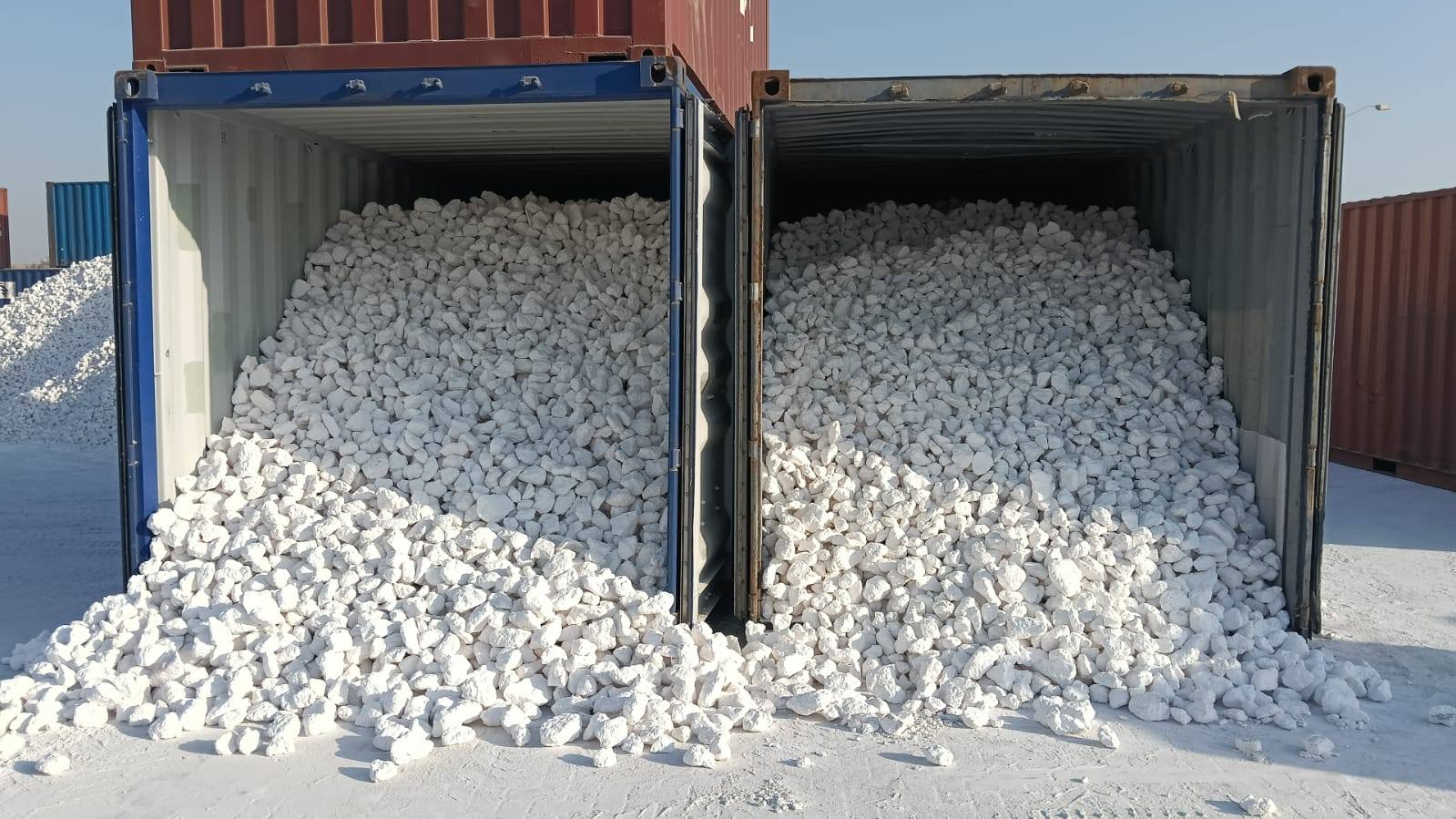
Calcium Carbonate Pricing: Understanding the Complete Cost Structure from Quarry to Final Delivery
1. The Geological Source and Raw Material Purity
The cost structure begins long before any machinery is turned on; it starts in the earth itself. Not all limestone deposits are created equal, and the natural characteristics of the rock heavily influence the final market value. The inherent brightness, chemical purity, and crystalline structure of the raw stone dictate how much processing is required.
At HERBOCAL, our extraction operations are strategically based in Minya, Egypt—a region globally recognized by geologists and industry experts for having some of the purest and brightest limestone reserves on the planet. When a manufacturer is forced to mine low-quality, contaminated stone, they must spend substantial amounts of money on chemical bleaching, excessive washing, or complex flotation processes just to remove natural impurities like iron oxide, silica, or magnesium. These corrective, intensive steps heavily inflate the final price.
By starting with naturally superior, high-calcium raw materials directly from our Minya quarries, we eliminate the need for these expensive corrective processes. You are paying for pure, high-brightness material, not for the excessive operational costs of removing dirt and heavy metals.
2. Extraction and Mining Operations
Quarrying is a highly capital-intensive operation that forms the baseline of the mineral’s cost. Extracting raw limestone safely and efficiently requires heavy earth-moving machinery, precision drilling, controlled explosives, skilled labor, and strict adherence to environmental and workplace safety regulations.
The structure of the supply chain here is a major factor in Calcium Carbonate Pricing. Many brands operating in the global market today are simply “traders” or “middlemen” who buy raw rocks from independent quarries and send them to third-party toll mills for grinding. Every single time the material changes hands, a new profit margin is added to the invoice. Because HERBOCAL manages the entire process vertically—from direct quarry extraction to final customized processing and packing—we successfully strip out these middleman markups. This vertical integration allows us to keep our pricing highly competitive while maintaining absolute, uncompromised control over the quality of the raw stone entering our facilities.
3. Milling, Grinding, and Particle Size Distribution (PSD)
Once the high-purity raw stone is extracted, it must be crushed, sorted, and ground into powder. This specific step, known as milling or micronization, is where the most significant portion of the manufacturing cost is generated and where true expertise is required.
The rule of thumb in our industry is quite simple: the finer the powder, the higher the cost of production. Producing Granulated Calcium Carbonate (ranging from 1 to 10+ mm for glass or agricultural uses) requires less energy and time. However, producing Micronized Ground Calcium Carbonate (GCC) with highly specific particle sizes—sometimes as small as 0.7 microns—requires advanced, energy-intensive grinding mills and highly sensitive dynamic air classifiers.
Electricity consumption accounts for a massive chunk of the production cost in these ultra-fine grades. Furthermore, ensuring a perfectly consistent Particle Size Distribution (PSD)—meaning every single grain of powder is exactly the size you requested without oversized particles—requires continuous laboratory testing. When you purchase premium micronized GCC from HERBOCAL, a portion of that price reflects the advanced milling technology and strict quality control measures that guarantee the powder will disperse perfectly in your final product without clogging your machinery, scratching your molds, or weakening your chemical formulas.
4. Surface Treatment and Coating Formulations
If you are operating in the plastics, masterbatch, PVC, or rubber industry, you likely use Coated Calcium Carbonate. To make the inorganic mineral compatible with organic polymer matrixes, we must treat the ultra-fine powder with a surface agent, most commonly high-grade stearic acid.
This precise surface treatment introduces two new variables to Calcium Carbonate Pricing:
-
The cost of the coating agent: Stearic acid is a globally traded commodity, and its market price fluctuates based on international vegetable oil and petrochemical markets.
-
The thermal coating process: Heating the ultra-fine powder and ensuring a 100% uniform, molecular-level coating requires specialized thermal mixers and significant additional energy consumption.
While coated grades carry a higher initial price tag per metric ton than uncoated grades, they are a classic, proven example of “spending money to save money.” The coating drastically improves dispersion, reduces friction and torque in your extruders (saving you electricity and machine wear), and allows you to increase the filler load in your plastic products, thereby significantly reducing your reliance on expensive polymer resins.
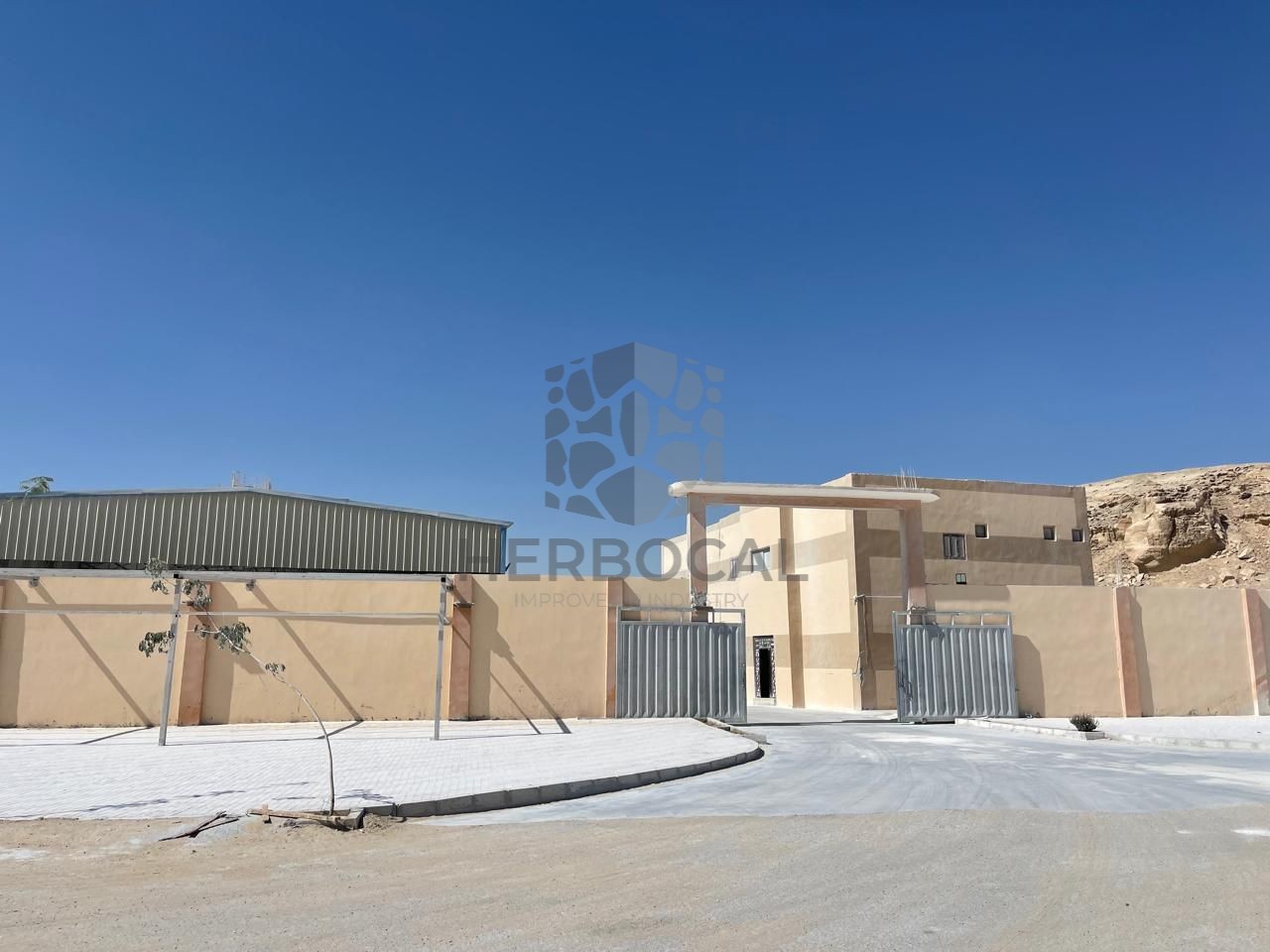
Calcium Carbonate Pricing: Understanding the Complete Cost Structure from Quarry to Final Delivery
5. Quality Control and Chemical Analysis
A hidden cost that reputable manufacturers proudly bear—and cheap, unreliable suppliers often skip entirely—is rigorous, uncompromising quality assurance. In critical industries like pharmaceuticals, food additives, paints, and high-end cosmetics, the chemical stability and consistency of calcium carbonate are non-negotiable.
At HERBOCAL, every single production batch undergoes strict XRF (X-ray fluorescence) chemical analysis. We rigorously test for moisture content, precise brightness and whiteness indices, and the exact percentages of trace elements and oxides. Operating a state-of-the-art on-site laboratory and employing highly skilled chemists adds to our operational overhead, but it is a vital investment in your peace of mind. It ensures that when you receive our material, it perfectly matches the technical data sheets and specifications provided. Consistent material prevents costly production halts, rejected end-products, and formulation headaches in your factory.
6. Packaging Options and Material Handling
How you choose to receive and handle your materials also directly impacts final Calcium Carbonate Pricing. We offer various packaging solutions tailored to our clients’ specific logistical handling capabilities and factory setups:
-
25 kg Paper or Woven PP Bags: Ideal for smaller scale operations or formulation plants relying on manual handling and precise batching, though slightly more labor-intensive to pack.
-
Jumbo Bags (FIBCs – 1 to 1.5 Tons): The most cost-effective and popular option for large-scale manufacturers equipped with forklift and crane capabilities.
-
Palletizing and Shrink Wrapping: Absolutely essential for long-distance export to ensure bags arrive intact, dry, and secure, though it naturally adds the cost of high-quality wooden pallets and heavy-duty plastic wrapping.
Understanding your own factory’s unloading capabilities and storage conditions can help you partner with us to choose the most cost-effective packaging format.
7. Global Logistics and Inland Freight
Finally, a world-class product is only useful if it reaches your facility safely and on time. Because calcium carbonate is a heavy, high-volume industrial commodity, logistics and freight can sometimes account for a significant percentage of the landed cost, especially in international export markets.
Inland transportation from the manufacturing plant to the shipping port, terminal handling charges (THC), and international ocean freight rates all play a major role. Here is where HERBOCAL’s strategic geographic location provides another massive competitive advantage. Being based in Egypt allows us highly efficient access to major ports like Alexandria and Sokhna, granting us streamlined shipping routes to India, the Middle East, Africa, and Europe. Our dedicated export logistics team constantly negotiates with major shipping lines to secure the most competitive freight rates—whether on FOB or CIF terms—ensuring your landed price remains stable even amidst global supply chain fluctuations.

Calcium Carbonate Pricing: Understanding the Complete Cost Structure from Quarry to Final Delivery
Making a Strategic Purchasing Decision
Understanding the true drivers behind Calcium Carbonate Pricing empowers you to look beyond the initial quotation and make much smarter purchasing decisions based on the Total Cost of Ownership (TCO). It becomes abundantly clear that choosing the cheapest available option on the market often leads to severe hidden costs downstream—whether through excessive extruder wear, poor product opacity requiring more expensive pigments, or inconsistent batches that ruin your final production run.
At HERBOCAL, we believe in complete transparency and long-term partnerships. Our pricing directly reflects the unparalleled purity of Minya limestone, our deep investments in cutting-edge micronization technology, and our unyielding commitment to rigorous quality control. By acting as an integrated partner rather than just a transactional supplier, we provide you with a consistent, highly optimized raw material that actively enhances your end products and stabilizes your own manufacturing costs.
When you are ready to secure a reliable, high-quality supply chain for your manufacturing needs, reach out to our team. We are here to customize a calcium carbonate solution that fits both your demanding technical requirements and your financial goals perfectly.
