Calcium Carbonate for Cement is rapidly becoming the most critical strategic material for Africa’s booming construction sector. Across the continent—from large-scale infrastructure projects in West Africa to high-rise developments in East Africa and expansive transport networks in the south—Africa is undergoing a historic transformation.
The scale and speed of construction are unprecedented. Governments are investing heavily in roads, bridges, housing, and industrial zones. Private developers are racing to meet the demands of growing urban populations. International investors are funding megaprojects that will define the continent’s economic future.
Yet behind this rapid growth lies a fundamental challenge.
Cement production—the backbone of all construction—is becoming increasingly expensive. The cost of energy required to produce clinker, the core component of cement, continues to rise sharply. For cement plant operators and ready-mix producers, this has created intense pressure on profit margins.
The industry is no longer just focused on production—it is focused on optimization.
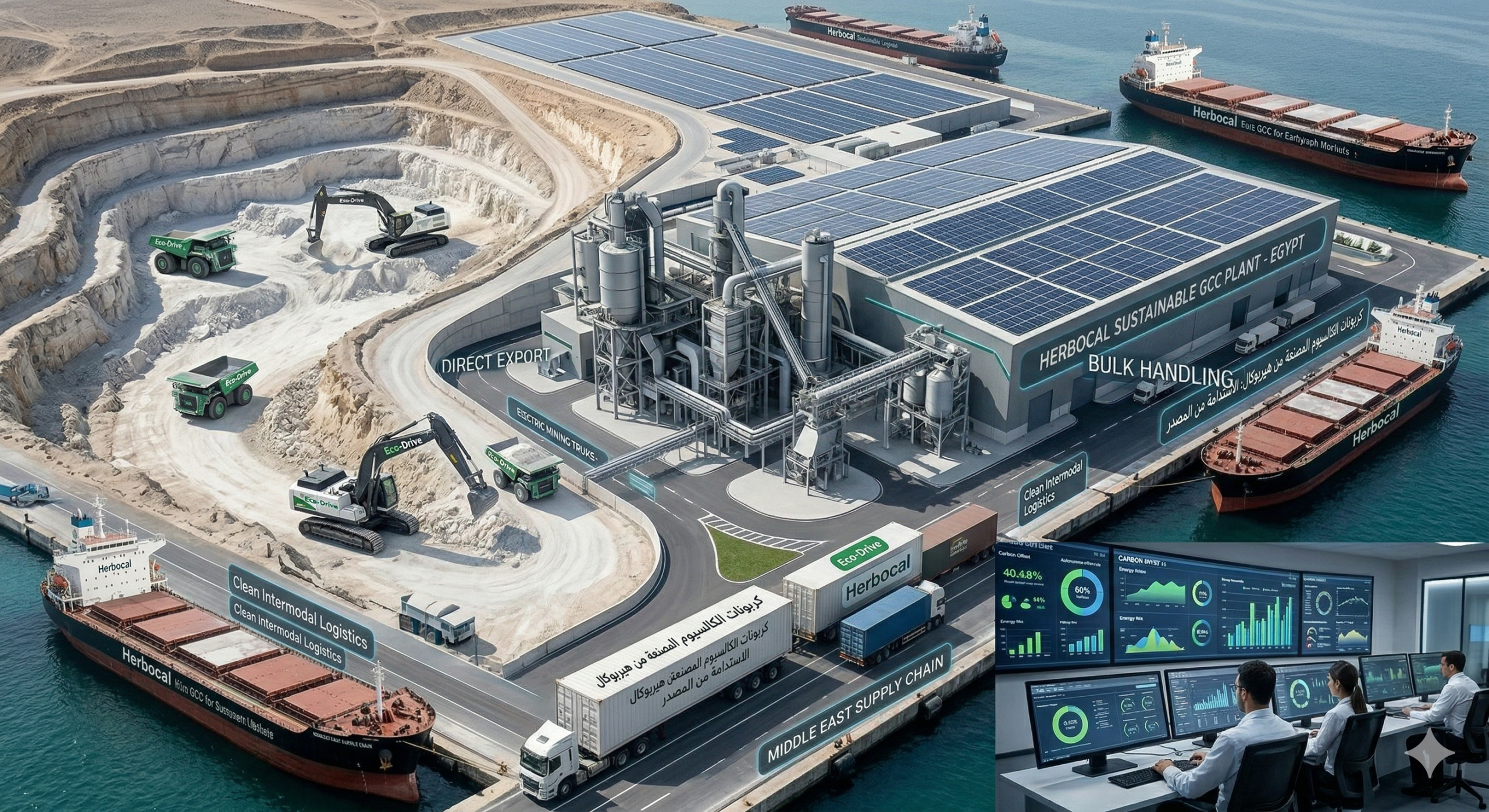
Calcium Carbonate for Cement: How Egypt is Supplying Africa’s Construction Boom
The Core Challenge: Rising Costs of Clinker Production
At the heart of cement manufacturing lies clinker, produced by heating limestone and clay in massive rotary kilns at temperatures reaching 1,450°C. This process consumes enormous amounts of fuel, typically coal or natural gas, making it one of the most energy-intensive industrial operations in the world.
As global energy prices fluctuate and environmental regulations tighten, the cost of clinker production continues to escalate.
For cement producers in Africa, this creates a critical dilemma:
- Maintain traditional production methods and absorb rising costs
- Or adopt innovative solutions that reduce dependency on clinker
The most effective and globally recognized solution is reducing the clinker factor through the use of supplementary materials.
1. The Clinker Reduction Strategy: The Rise of Portland Limestone Cement (PLC)
The global cement industry is increasingly transitioning toward Portland Limestone Cement (PLC), a more efficient and sustainable alternative to traditional Ordinary Portland Cement (OPC).
PLC is produced by intergrinding clinker with high-quality Calcium Carbonate for Cement. This allows manufacturers to replace up to 15%—and in some cases more—of the clinker content without compromising performance.
This is not merely a cost-saving measure; it is a technological evolution.
Economic Impact:
- Significant reduction in fuel consumption
- Lower overall production costs per ton
- Increased plant output without additional kiln investment
For high-capacity cement plants producing millions of tons annually, even a small reduction in clinker content translates into substantial financial savings.
2. Why High-Purity Calcium Carbonate Matters
While the concept of clinker substitution is widely accepted, the quality of the substitute material is critical.
Many local quarry materials across different regions may appear suitable but often contain undesirable impurities such as:
- Clay minerals
- Reactive silica
- Organic contaminants
These impurities can have serious consequences.
Risks of Low-Quality Materials:
- Reduced cement hydration efficiency
- Increased water demand in concrete mixes
- Structural weaknesses and long-term durability issues
- Alkali-Silica Reaction (ASR), a destructive process that compromises concrete integrity over time
This is where high-purity Calcium Carbonate from Egypt offers a decisive advantage.
Sourced from the renowned Minya region, this material is naturally over 99% pure CaCO₃, with extremely low levels of harmful impurities.
Key Benefits:
- Chemically inert and stable
- No risk of unwanted reactions
- Consistent and predictable performance
- Compliance with international cement standards
By using high-quality Calcium Carbonate, cement producers can ensure that clinker substitution enhances performance rather than compromising it.
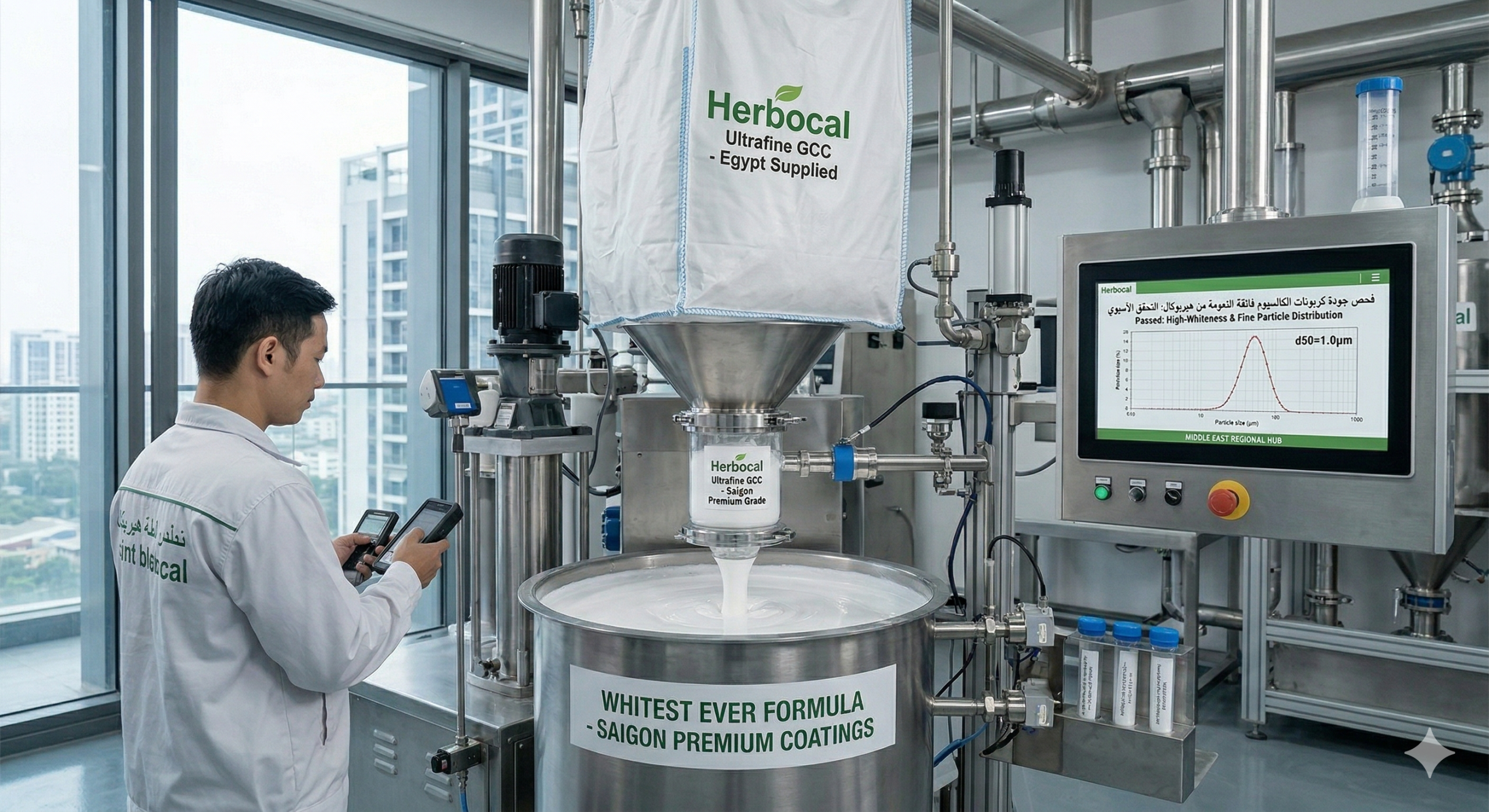
Calcium Carbonate for Cement: How Egypt is Supplying Africa’s Construction Boom
3. Micro-Filling Technology: Enhancing Concrete Performance
The role of Calcium Carbonate for Cement is not limited to cost reduction. It also plays a critical role in improving the physical performance of concrete through what is known as the micro-filling effect.
Advanced processing techniques allow the material to be milled into ultrafine particles with controlled size distribution.
These particles interact with cement in two key ways:
Nucleation Effect
The fine particles act as nucleation sites, accelerating the hydration process of cement. This leads to faster early strength development, which is essential for construction efficiency.
Matrix Densification
The ultrafine particles fill microscopic voids between cement grains, creating a denser and more compact structure.
Performance Advantages:
- Improved workability of fresh concrete
- Faster strength gain for early-stage construction
- Reduced permeability to water and aggressive agents
- Enhanced durability and longer service life
This makes Calcium Carbonate for Cement not just a filler, but a functional performance enhancer.
4. Sustainable Construction: Reducing Carbon Emissions
Sustainability is no longer optional in the construction industry. Governments, investors, and international organizations are increasingly demanding environmentally responsible building practices.
Cement production is one of the largest industrial sources of carbon dioxide emissions, primarily due to clinker manufacturing.
Reducing the clinker factor is one of the most effective ways to lower the carbon footprint of cement.
By incorporating Calcium Carbonate for Cement:
- Less clinker needs to be produced
- Fuel consumption decreases
- CO₂ emissions per ton of cement are significantly reduced
This directly supports green building initiatives and helps construction companies meet environmental standards required for major infrastructure projects.
It also enhances eligibility for funding from international institutions that prioritize sustainability.
5. Strategic Logistics: The Advantage of Regional Supply
In addition to quality and performance, supply chain efficiency plays a crucial role in material selection.
Transporting heavy raw materials such as Calcium Carbonate for Cement over long distances can significantly impact cost and delivery timelines.
Egypt’s strategic geographic location provides a major advantage. Positioned between Africa, Europe, and Asia, it offers efficient shipping routes through both the Mediterranean and the Red Sea.
Logistics Benefits:
- Shorter delivery times across African markets
- Reduced shipping costs compared to distant suppliers
- Reliable and consistent supply
Materials are typically supplied in:
- Jumbo bags with moisture protection
- Customized bulk shipment solutions
This ensures that the product arrives in optimal condition, ready for immediate use in cement production.
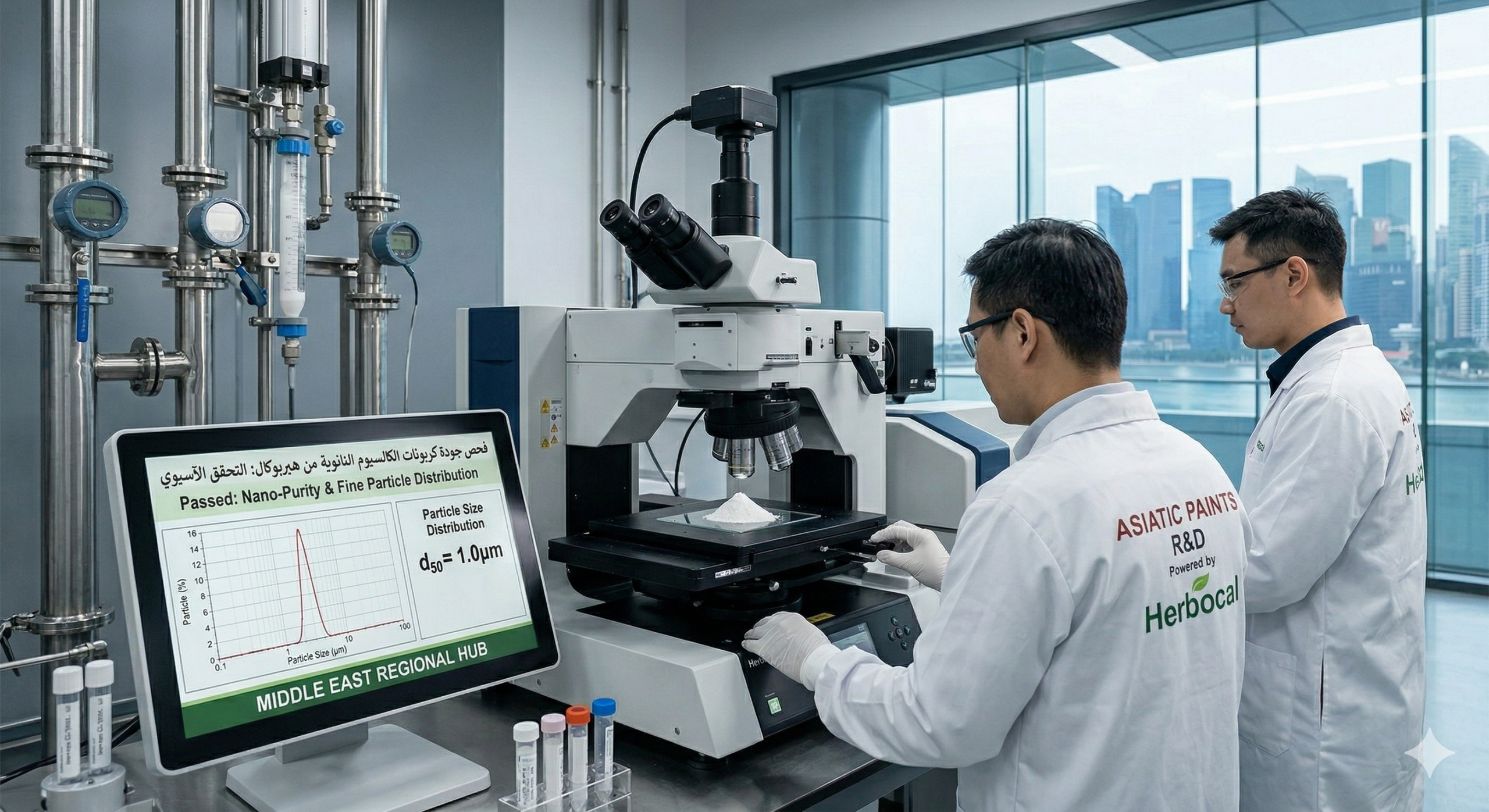
Calcium Carbonate for Cement: How Egypt is Supplying Africa’s Construction Boom
Conclusion: A Smarter Way to Build Africa
Africa’s construction boom represents one of the most significant growth opportunities in the global economy. However, sustaining this growth requires smarter, more efficient approaches to building materials.
Relying solely on traditional clinker-heavy cement is no longer economically or environmentally viable. At the same time, using low-quality substitutes introduces unacceptable risks to structural integrity.
Calcium Carbonate for Cement offers the ideal balance between performance, cost efficiency, and sustainability.
With its:
- Exceptional chemical purity
- Engineered particle size distribution
- Proven performance benefits
- Strong logistical advantages
It has become an essential component in modern cement manufacturing.
By integrating high-quality Calcium Carbonate for Cement into their production processes, African cement producers can:
- Reduce energy costs
- Increase production efficiency
- Lower carbon emissions
- Deliver stronger and more durable construction materials
If you are ready to reduce your clinker factor, improve cement performance, and enhance your operational efficiency, now is the time to act.
Connect with the HERBOCAL Construction Materials Team today to discover how premium Calcium Carbonate for Cement can support your production goals and help you build a stronger, more sustainable future.