Calcium Carbonate for Rubber is no longer viewed as a simple filler. In South Africa’s advanced rubber manufacturing landscape—from the automotive clusters of the Eastern Cape to conveyor-belt giants serving the mining sector in Mpumalanga and Northern Cape—it is understood as a functional performance additive that directly impacts durability, processing efficiency, and total compound cost.
As rubber manufacturers face tightening margins and rising input costs, the shift toward high-efficiency fillers has accelerated. Increasingly, technical directors and rubber chemists are sourcing specialized Calcium Carbonate for Rubber from Egypt, where HERBOCAL has emerged as a preferred strategic supplier.
Below is a technical breakdown of why this shift is happening—and how South African factories are benefiting from Egyptian GCC (Ground Calcium Carbonate) engineered specifically for rubber applications.
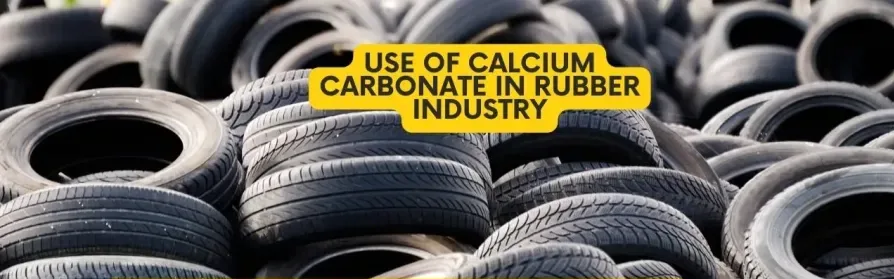
Calcium Carbonate for Rubber: How Egyptian GCC Enhances South Africa’s Rubber Manufacturing Performance
The DOP Absorption Advantage: Why Egyptian GCC Outperforms Traditional Fillers
In rubber compounding, oil absorption is one of the most critical parameters. High oil absorption forces processors to add more DOP or process oils simply to keep the compound workable—an unnecessary cost burden.
HERBOCAL’s Calcium Carbonate for Rubber is produced from highly crystalline Egyptian limestone with inherently:
-
Low surface area
-
Minimal porosity
-
Naturally low oil absorption
What This Means for South African Manufacturers
-
✔ Lower oil consumption during mixing
-
✔ Higher filler loading without compromising flexibility
-
✔ Reduced compound cost per kilogram
-
✔ Better processing at lower energy input
This alone gives Egyptian GCC a strategic advantage over many Asian and local alternatives.
Serving South Africa’s Mining Sector: Durability for Conveyor Belts
South Africa’s mining industry relies heavily on high-performance rubber conveyor belts capable of resisting abrasion, tearing, and heat buildup.
HERBOCAL’s Calcium Carbonate for Rubber supports these requirements through:
1. Heat Dissipation
Our GCC has excellent thermal conductivity, helping reduce heat buildup (hysteresis) during belt operation—an essential factor in preventing premature belt failure.
2. Optimized Particle Size Distribution
We supply micronized grades (10–20 micron top cut) that:
-
Reinforce the rubber matrix
-
Enhance tear resistance
-
Improve abrasion performance
The result is a more stable belt compound suitable for demanding mining environments.
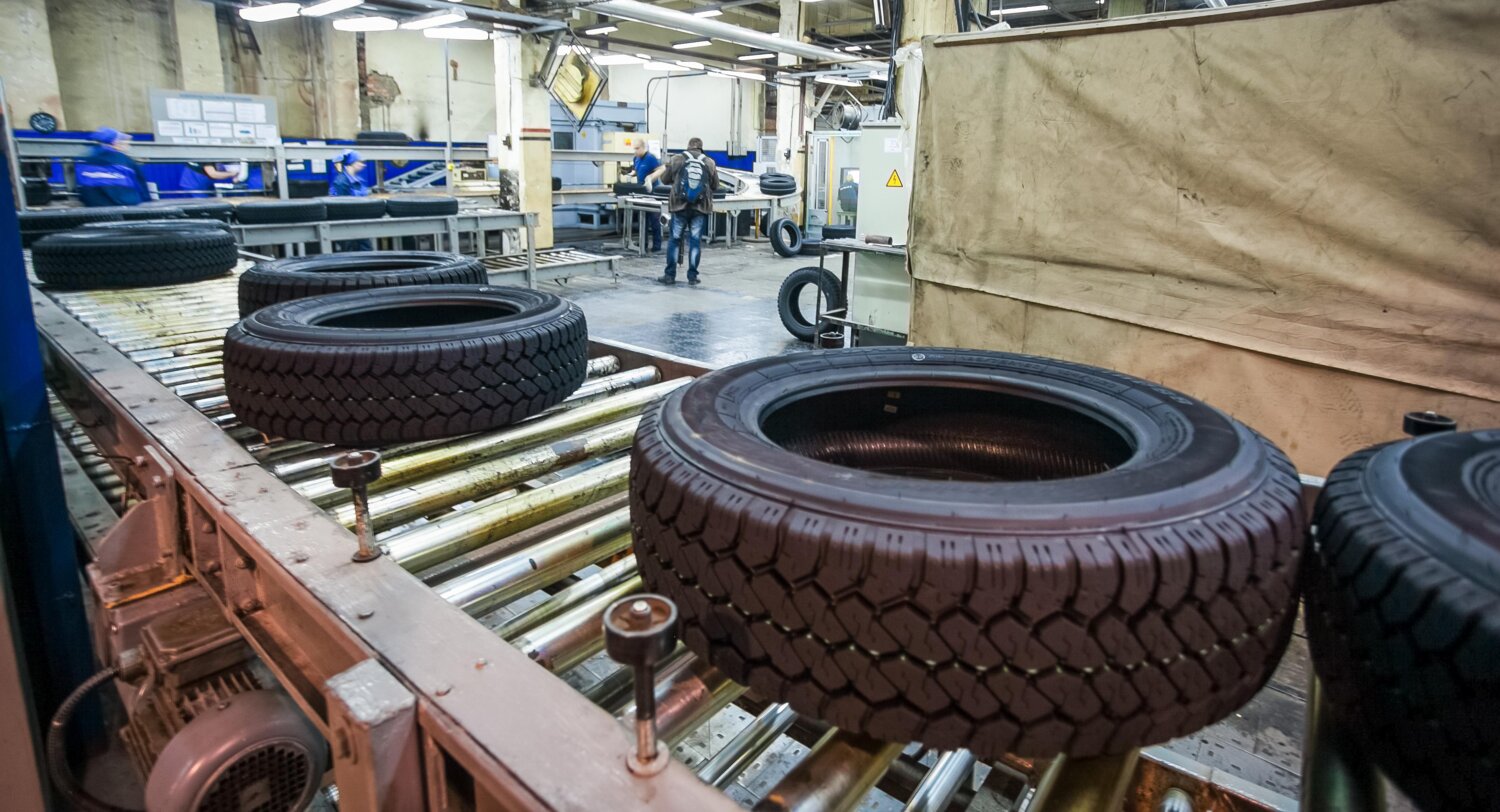
Calcium Carbonate for Rubber: How Egyptian GCC Enhances South Africa’s Rubber Manufacturing Performance
Automotive Rubber Components: Consistency for Global OEM Standards
South Africa’s automotive hubs require exceptional batch-to-batch consistency for:
-
Door seals
-
Anti-vibration components
-
Floor mats
-
Engine compartment rubber parts
Local fillers often vary in chemistry, destabilizing cure times and forcing constant formulation adjustments.
HERBOCAL eliminates this issue.
Why?
Our GCC comes from a single, highly pure geological formation (Minya, Egypt), resulting in:
-
99.6% purity
-
Minimal variability
-
Stable cure curves
-
Predictable processing
This consistency is a significant competitive advantage for factories adhering to strict automotive QA systems.
Footwear Industry: Optimizing Color Strength & Durability
Footwear manufacturers in South Africa require fillers that provide both aesthetics and wear resistance.
HERBOCAL’s Calcium Carbonate for Rubber delivers:
-
✔ High whiteness → Brighter colors using less pigment
-
✔ Improved abrasion resistance → Longer-lasting soles
-
✔ Smooth dispersion → Cleaner surface finish
This makes our GCC ideal for EVA soles, rubber soles, and composite footwear materials.
Processing Benefits: Protecting Your Mixers & Reducing Energy Costs
Rubber mixing equipment—especially Banbury and internal mixers—experiences significant wear when using abrasive fillers.
HERBOCAL solves this with:
-
Low Mohs hardness
-
Silica-free mineral composition
-
Highly lubricious crystalline structure
Direct Processing Benefits
-
Reduced rotor and chamber wear
-
Faster dispersion
-
Shorter mixing cycles (often up to 30 seconds saved per batch)
-
Lower energy consumption
-
Higher overall plant throughput
For many factories, this operational gain is as valuable as the raw-material savings.
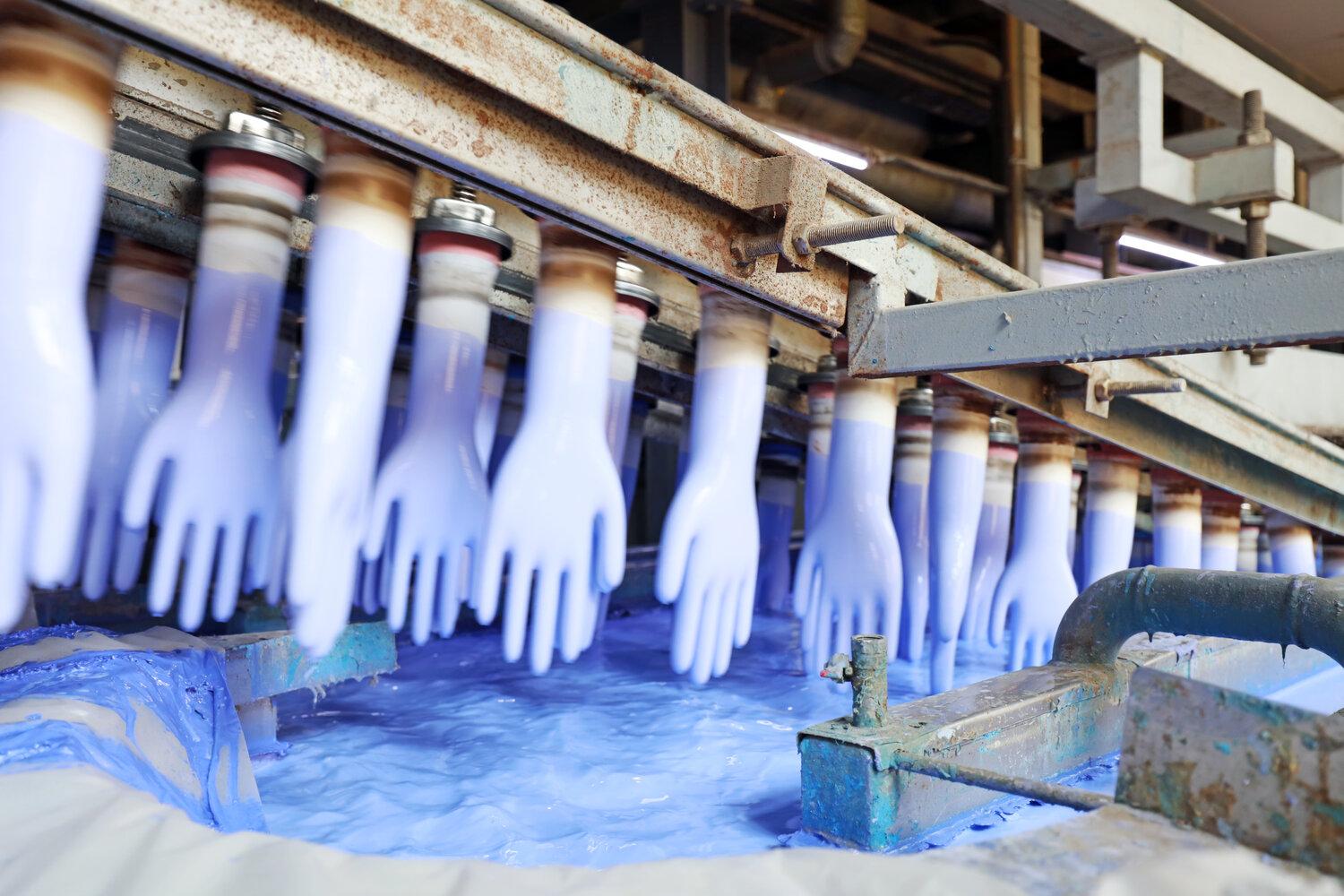
Calcium Carbonate for Rubber: How Egyptian GCC Enhances South Africa’s Rubber Manufacturing Performance
Why South Africa Is Importing GCC from Egypt
1. Superior Chemical Purity & Whiteness
Egyptian limestone ranks among the world’s highest in natural purity, outperforming many local and regional sources.
2. Pan-African Supply Chain Advantages
Trade routes between Egypt and South Africa have strengthened significantly, allowing:
-
Shorter transit times than Asian suppliers
-
More stable freight rates
-
Faster replenishment cycles
-
Reduced risk of stockouts
3. Partnering with a Specialized Rubber-Focused Exporter
HERBOCAL understands the technical demands of rubber manufacturing—something not all GCC suppliers can claim.
Conclusion: Treat Your Filler Strategy as a Competitive Advantage
In rubber compounding, the filler is not just a cost reducer—it is a performance-shaping component.
HERBOCAL’s Calcium Carbonate for Rubber offers South African manufacturers:
-
Lower oil demand
-
Better compound economics
-
Improved mechanical performance
-
Increased equipment lifespan
-
Greater production stability
For factories serving automotive, mining, and footwear markets, optimizing the filler system is no longer optional—it is essential.
Contact HERBOCAL Technical Sales
Let’s discuss your compound requirements and help you engineer a stronger, more efficient rubber product line.