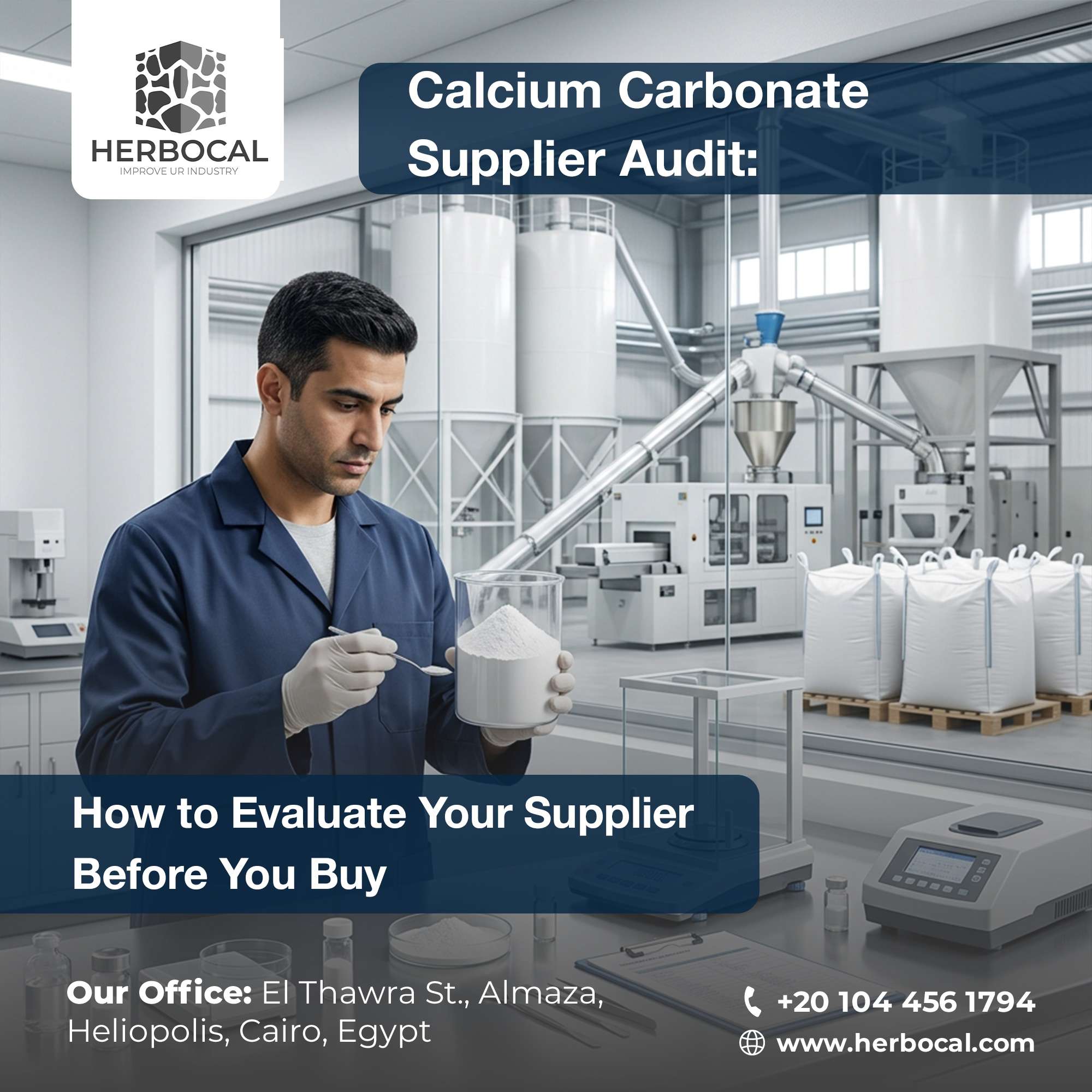
Calcium Carbonate Quality Compliance: Understanding Supplier Certifications for Your Business In today’s interconnected manufacturing ecosystem, quality is no longer defined solely by performance—it is defined by compliance.
When sourcing Ground Calcium Carbonate (GCC), you are not just purchasing a mineral; you are investing in a system of guarantees that ensure your product can move seamlessly across borders, meet regulatory requirements, and maintain consistent performance across markets.
This is where Calcium Carbonate Quality Compliance becomes a critical pillar of your supply chain strategy.
Without proper certifications, manufacturers expose themselves to serious risks:
- Shipment rejections at international borders
- Regulatory penalties
- Product recalls
- Damage to brand reputation
Compliance is not paperwork—it is protection.
In this guide, we break down the essential certifications every procurement manager and quality engineer must verify when selecting a GCC supplier.
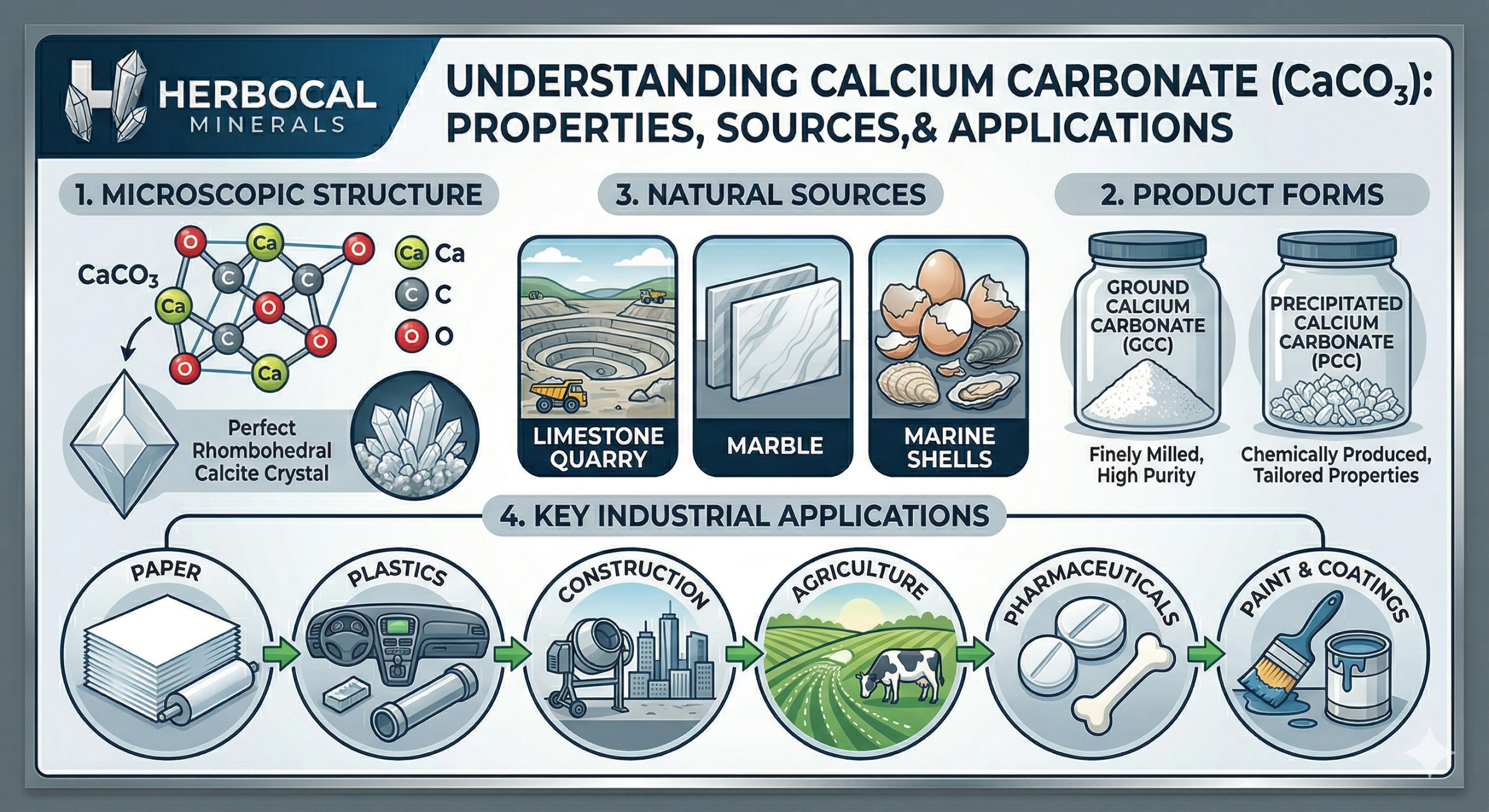
Calcium Carbonate Quality Compliance: Understanding Supplier Certifications for Your Business
1. ISO Standards: The Global Foundation of Industrial Excellence
The first and most fundamental layer of compliance is built on ISO standards, developed by the International Organization for Standardization.
These certifications ensure that a supplier operates under globally recognized management systems.
ISO 9001: Quality Management Systems
ISO 9001 is the backbone of product consistency.
What It Guarantees
- Standardized production processes
- Controlled quality checkpoints
- Repeatable batch-to-batch performance
Why It Matters
For GCC applications, consistency is everything. Variations in particle size, purity, or brightness can disrupt entire production lines.
A supplier operating under ISO 9001 ensures:
- Stable product specifications
- Reduced variability
- Predictable manufacturing outcomes
ISO 14001: Environmental Management Systems
Sustainability is now a business requirement, not a marketing option.
What It Demonstrates
- Responsible resource management
- Waste reduction strategies
- Environmental impact control
Strategic Advantage
Using raw materials from environmentally certified suppliers:
- Strengthens your ESG profile
- Enhances brand credibility
- Aligns with global sustainability goals
ISO 45001: Occupational Health and Safety
Behind every reliable production system is a safe working environment.
What It Ensures
- Worker safety protocols
- Reduced operational risks
- Stable production continuity
Business Impact
Safer operations lead to:
- Lower disruption rates
- Higher productivity
- More reliable supply chains
2. REACH Compliance: Your Gateway to the European Market
For companies operating in or exporting to Europe, compliance with REACH Regulation is mandatory.
What REACH Covers
- Chemical safety evaluation
- Environmental impact assessment
- Documentation and traceability
Why It Matters
Without REACH compliance:
- Products may be blocked at EU borders
- Legal penalties may apply
- Market access becomes restricted
The Strategic Benefit
A REACH-compliant supplier allows you to:
- Enter European markets confidently
- Avoid regulatory delays
- Ensure full legal compliance
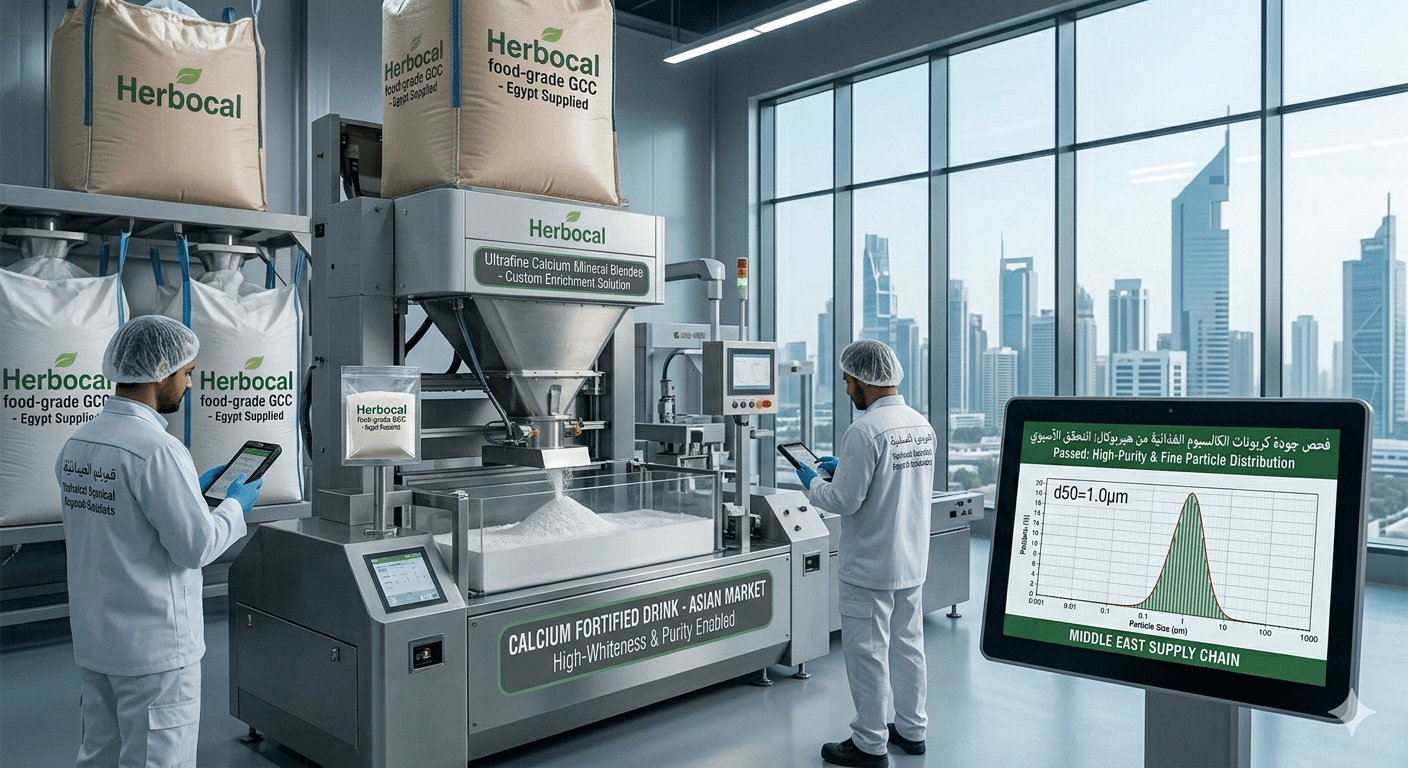
Calcium Carbonate Quality Compliance: Understanding Supplier Certifications for Your Business
3. Food and Pharmaceutical Certifications: Purity at the Highest Level
In sensitive applications such as food, pharmaceuticals, and personal care, GCC must meet extremely strict safety standards.
E170 Certification (Food Grade Calcium Carbonate)
Calcium carbonate used in food applications is classified under E170.
Requirements
- Absence of heavy metals (lead, arsenic, mercury)
- High chemical purity
- Strict contamination control
Applications
- Food additives
- Nutritional supplements
- Food packaging
FDA Compliance
For products entering the United States, compliance with the Food and Drug Administration is essential.
What It Covers
- Safety in food-contact materials
- Pharmaceutical-grade purity
- Regulatory approval for consumer products
Why It Matters
These certifications ensure:
- Consumer safety
- Legal compliance
- Market acceptance
4. Halal and Kosher Certifications: Expanding Global Market Access
In many regions, particularly in the Middle East, Asia, and parts of Africa, compliance with religious standards is essential.
Why It Applies to GCC
Although calcium carbonate is a mineral, processing aids—such as stearic acid used in coated grades—must meet religious requirements.
Halal Certification
Issued by recognized bodies such as Halal Certification Authority, this ensures:
- No prohibited animal-derived substances
- Compliance with Islamic dietary laws
Kosher Certification
Certified by organizations like Orthodox Union, this confirms:
- Compliance with Jewish dietary laws
- Clean and controlled processing conditions
Business Advantage
These certifications allow manufacturers to:
- Enter specialized markets
- Build trust with diverse consumer bases
- Expand global reach
5. Sustainability Certifications: The New Competitive Standard
Sustainability is rapidly becoming a defining factor in procurement decisions.
What to Look For
- Responsible mining practices
- Energy-efficient processing
- Carbon footprint transparency
Why It Matters
Sustainable sourcing enables:
- Compliance with environmental regulations
- Alignment with green building standards
- Improved brand perception
The Role of Natural Minerals
Ground Calcium Carbonate offers inherent sustainability advantages:
- Natural origin
- Low energy processing
- Reduced reliance on synthetic materials
This positions GCC as a key component in environmentally responsible manufacturing.
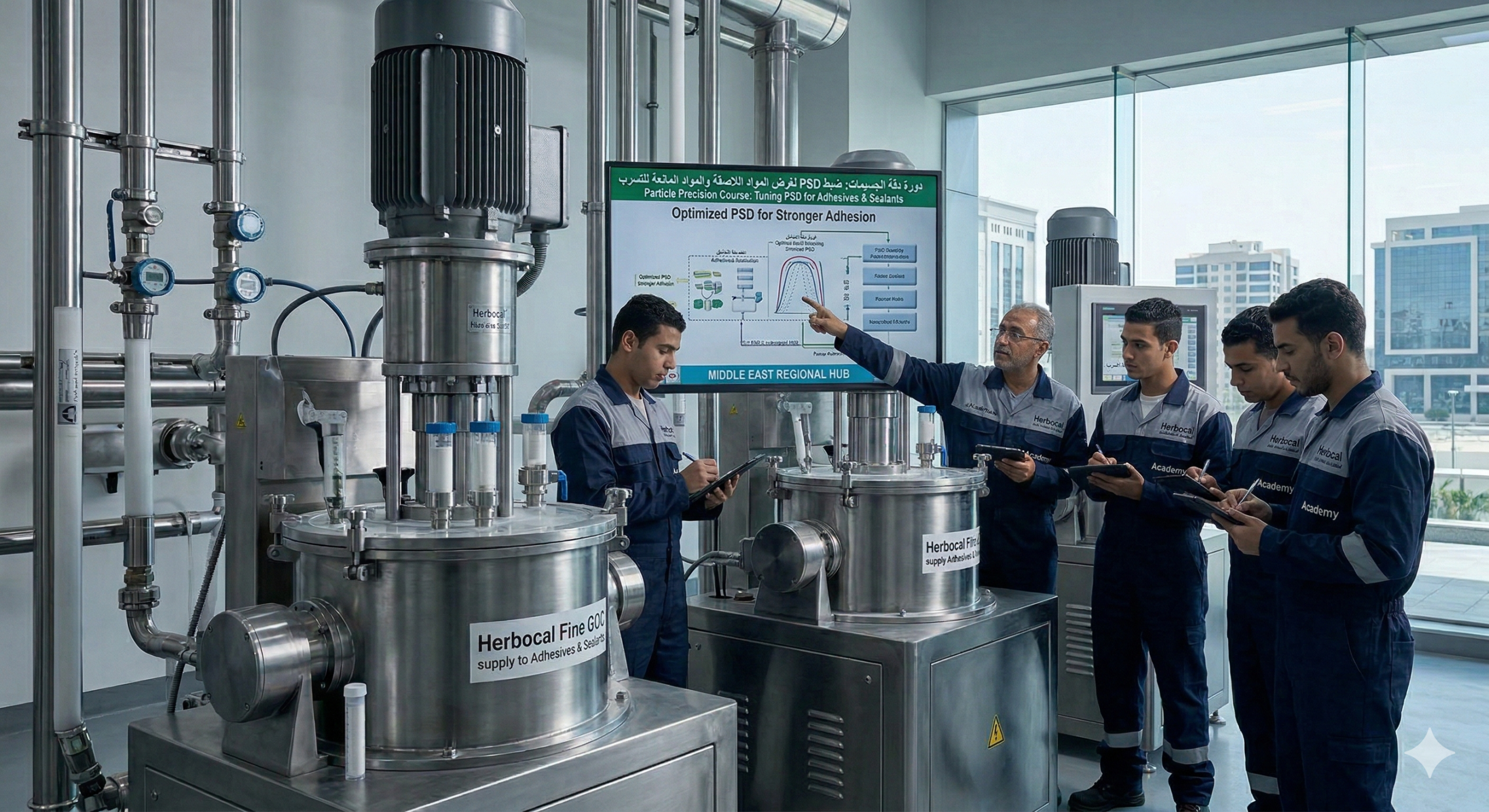
Calcium Carbonate Quality Compliance: Understanding Supplier Certifications for Your Business
Why Compliance-Driven Sourcing Is a Strategic Advantage (Calcium Carbonate Quality Compliance)
Choosing a certified supplier is not just about meeting requirements—it is about strengthening your entire business model.
1. Risk Mitigation
Certifications act as a safeguard against:
- Product failures
- Regulatory violations
- Supply chain disruptions
2. Global Market Access
With the right certifications, you can:
- Export without barriers
- Enter regulated markets confidently
- Scale internationally
3. Customer Confidence
End users and partners increasingly demand transparency.
Certified materials:
- Build trust
- Enhance brand reputation
- Support long-term relationships
4. Operational Efficiency
Standardized processes result in:
- Fewer production errors
- Reduced downtime
- Consistent output quality
Quick Compliance Checklist for GCC Buyers Calcium Carbonate Quality Compliance
| Certification | What It Ensures | Why It Matters |
|---|---|---|
| ISO 9001 | Quality consistency | Stable production |
| ISO 14001 | Environmental responsibility | ESG compliance |
| ISO 45001 | Workplace safety | Reliable operations |
| REACH | EU regulatory compliance | Market access |
| E170 | Food-grade safety | Consumer protection |
| FDA | US compliance | Global expansion |
| Halal/Kosher | Religious compliance | Market diversity |
Conclusion Calcium Carbonate Quality Compliance : Compliance Is Your Competitive Edge
In global manufacturing, compliance is no longer optional—it is a defining factor of success.
Calcium Carbonate Quality Compliance ensures that:
- Your products meet international standards
- Your supply chain remains secure
- Your business operates without regulatory risk
The right supplier does not just provide material—they provide assurance, documentation, and confidence.
By prioritizing certified partners, you transform compliance from a requirement into a strategic advantage.
If you are ready to strengthen your supply chain, eliminate compliance risks, and expand into global markets with confidence, now is the time to upgrade your sourcing standards.
Choose a partner who delivers:
- Verified certifications
- Transparent documentation
- Consistent, high-purity GCC
- Full regulatory support
Take the next step toward compliance-driven growth—connect with a trusted partner today and secure your global manufacturing future.