Import Prices in GCC markets are influenced by much more than the price shown on a supplier’s quotation.
For manufacturers and procurement teams importing industrial raw materials, currency movements can affect purchasing costs, budgets, profit margins, and long-term supply planning.
This is particularly important when companies purchase materials from international suppliers. A product may have a stable price in the supplier’s currency, yet its effective cost for the buyer can change when exchange rates move.
For GCC manufacturers purchasing materials such as calcium carbonate, understanding this relationship can make procurement decisions more predictable and help companies avoid unexpected increases in their overall costs.
At HERBOCAL, we understand that international procurement is about more than supplying a high-quality product. It is also about helping customers build a reliable and commercially efficient supply chain.
What Are Currency Fluctuations?
Currency fluctuation simply means that the value of one currency changes compared with another.
For example, a supplier may quote a product in U.S. dollars, euros, or another currency. If the buyer’s local currency changes in value against that currency, the actual purchasing cost can change even when the supplier has not changed the product price.
This creates an important distinction between:
Supplier Price
and
Buyer Cost
The supplier may continue offering the same price per ton, while the buyer may pay more or less in local currency depending on the exchange rate.
For procurement teams, this difference can become significant when dealing with large-volume international purchases.

Import Prices in GCC: How Currency Fluctuations Affect Industrial Buyers
Why Currency Matters When Evaluating Import Prices in GCC
For industrial buyers, Import Prices in GCC are influenced by more than the supplier’s quoted price.
Currency relationships play an important role in determining how predictable international procurement costs can be.
Several GCC currencies maintain a close relationship with the U.S. dollar, creating a relatively stable environment for companies that purchase internationally traded industrial materials in USD.
This can be particularly useful for manufacturers importing calcium carbonate and other raw materials that are commonly quoted in U.S. dollars.
However, stable local exchange rates do not mean that Import Prices in GCC are completely protected from currency movements.
The reason is straightforward:
International supply chains involve multiple currencies.
A manufacturer in Saudi Arabia, the UAE, Oman, or another GCC market may source calcium carbonate from Egypt, Europe, India, China, or other international markets.
While the final quotation may be issued in USD, the supplier’s actual operating costs may be generated in several different currencies.
These costs can include local labor, electricity, fuel, packaging, transportation, and raw-material processing.
As exchange rates change, the supplier’s underlying cost structure can also change, eventually influencing the final export quotation.
The U.S. Dollar’s Role in Import Prices in GCC
The U.S. dollar remains one of the most important currencies in international commodity and industrial-material trade.
For many GCC buyers, USD-denominated transactions can provide greater predictability because of the close relationship between local GCC currencies and the dollar.
However, procurement teams must also consider how the dollar performs against the currencies used in supplier countries.
For example, a GCC manufacturer may receive quotations from suppliers in Egypt, Europe, India, or China.
Each supplier operates within a different economic environment.
If the dollar strengthens against the supplier’s local currency, the supplier’s export position may become more competitive in international markets.
If the supplier’s local currency strengthens significantly, production and export costs may become more expensive when converted into dollars.
As a result, Import Prices in GCC can change even when the buyer’s local currency remains relatively stable.
This is why procurement teams should monitor both:
- The quotation currency
- The supplier’s underlying cost currency
Understanding this relationship can help buyers make more informed international sourcing decisions.
How Currency Movements Affect Calcium Carbonate Import Costs
Consider a manufacturer in the GCC importing calcium carbonate for plastics, PVC, paints, rubber, paper, or other industrial applications.
The supplier’s final export price is influenced by a wide range of production and logistics costs.
These may include:
- Limestone extraction
- Crushing and processing
- Grinding and micronization
- Surface coating
- Packaging
- Labor
- Energy
- Inland transportation
- Port handling
- Export documentation
- International logistics
Many of these costs are paid by the supplier in its local currency.
Therefore, changes in exchange rates can influence the economics behind Import Prices in GCC.
However, the relationship is rarely direct or immediate.
A supplier may choose to absorb part of a currency movement rather than immediately increase its export price. Companies may also adjust profit margins, negotiate long-term agreements, lock in certain costs, or review prices periodically.
This means that exchange-rate movements should not automatically be interpreted as an immediate increase or decrease in the calcium carbonate price.
Instead, they should be viewed as one variable within a much broader international procurement equation.
Stable GCC Currencies Do Not Mean Zero Import Risk
The relative currency stability available in several GCC markets can reduce some exchange-rate uncertainty.
Nevertheless, manufacturers should avoid assuming that Import Prices in GCC are immune to international economic changes.
Several additional variables can influence the final cost of imported calcium carbonate.
Supplier Currency
The supplier may calculate production costs using Egyptian pounds, euros, Indian rupees, Chinese yuan, or another local currency.
Changes in these currencies can eventually influence export pricing.
Freight Currency
Ocean freight and international logistics costs may be quoted or settled in different currencies depending on the shipping company, route, and commercial arrangement.
Energy Costs
Electricity, fuel, and natural gas prices directly affect mining, processing, grinding, and transportation.
These costs can change independently of currency movements.
Raw-Material and Processing Costs
Limestone availability, packaging materials, coating agents, spare parts, and industrial chemicals can all influence the supplier’s final cost structure.
Port and Handling Costs
Terminal charges, container availability, inland logistics, and port services can change over time and affect final import expenses.
Global Supply and Demand
International market conditions can influence Import Prices in GCC even when exchange rates remain stable.
For this reason, currency should always be evaluated as one component of total procurement cost rather than the only pricing variable.
Why Total Landed Cost Matters More Than the Quoted Price
When evaluating Import Prices in GCC, procurement teams should avoid focusing exclusively on the supplier’s price per metric ton.
The more important question is:
“What will this material actually cost when it reaches our manufacturing facility?”
This is where total landed cost becomes essential.
Depending on the commercial arrangement and destination, the total cost of imported calcium carbonate may include:
Product Price + Freight + Insurance + Port Charges + Customs and Import Costs + Inland Transportation + Other Applicable Expenses
Currency movements can influence one or several of these components.
For example, exchange-rate changes may affect:
- Supplier production costs
- International freight
- Insurance
- Logistics services
- Imported packaging materials
- Port-related expenses
By calculating the complete landed cost, GCC manufacturers can compare international suppliers more accurately.
A supplier with a lower product price may not necessarily offer the lowest final cost once transportation and logistics expenses are included.
Likewise, a slightly higher quotation may provide better overall value if it includes more reliable logistics, consistent quality, and lower operational risk.
Why Long-Term Procurement Planning Can Reduce Uncertainty
One of the most practical ways to manage uncertainty around Import Prices in GCC is through better procurement planning.
Last-minute purchasing often leaves manufacturers more exposed to sudden changes in freight rates, exchange rates, supplier availability, and market conditions.
Companies with predictable calcium carbonate consumption can instead forecast their future requirements and discuss structured supply arrangements with reliable suppliers.
This approach can offer several advantages.
Better Budgeting
Forecasting expected consumption helps procurement teams estimate future raw-material requirements and allocate budgets more accurately.
Better Inventory Management
Planned purchasing reduces dependence on emergency orders, which often involve higher transportation and handling costs.
Better Supplier Negotiations
Manufacturers with predictable annual demand may have stronger opportunities to discuss commercial terms, supply schedules, and quotation arrangements.
Better Logistics Planning
Shipments can be coordinated around actual production schedules instead of being arranged only when inventory reaches critical levels.
For large-volume calcium carbonate consumers, these advantages can significantly improve procurement predictability.
How GCC Buyers Can Manage Currency-Related Import Pressure
Individual manufacturers cannot control international exchange rates.
However, they can reduce unnecessary exposure through better procurement practices.
1. Compare Suppliers Using Total Landed Cost
Do not evaluate suppliers based only on the quoted product price.
Include freight, insurance, handling, import expenses, inland transportation, payment terms, and other relevant costs.
2. Understand the Quotation Currency
Always confirm whether the quotation is issued in USD, EUR, or another currency.
Clear visibility over the transaction currency helps procurement teams understand potential exchange-rate exposure.
3. Monitor Currency Conditions Before Major Purchases
For high-volume purchases, relatively small currency movements can have a meaningful financial impact.
Monitoring relevant currency markets can help buyers better understand current purchasing conditions.
4. Plan Purchases According to Actual Demand
When production requirements are predictable, advance planning can reduce exposure to repeated short-term purchasing decisions.
Larger orders may be appropriate in some cases, but storage capacity, inventory costs, and working capital should always be considered.
5. Build Long-Term Supplier Relationships
Working repeatedly with a reliable supplier can create greater commercial predictability.
Long-term relationships may make it easier to discuss:
- Supply schedules
- Expected annual volumes
- Quotation validity
- Shipment planning
- Product specifications
- Packaging requirements
This can provide a more stable procurement environment than sourcing from different suppliers for every order.
Making Smarter Decisions About Import Prices in GCC
Currency movements will continue to influence international trade.
However, the most successful procurement teams do not make sourcing decisions based on exchange rates alone.
They evaluate the complete picture.
When analyzing Import Prices in GCC, manufacturers should consider:
- Product quality
- Supplier location
- Quotation currency
- Production costs
- Freight rates
- Exchange-rate exposure
- Transit time
- Import expenses
- Inventory requirements
- Supply reliability
- Total landed cost
For calcium carbonate buyers, the goal should not simply be to find the lowest price available at a particular moment.
The objective should be to build a procurement strategy that provides the right balance between cost predictability, material quality, logistics efficiency, and supply continuity.
This broader approach allows GCC manufacturers to make stronger long-term sourcing decisions in an international market where currency is important—but never the only factor determining the final cost.
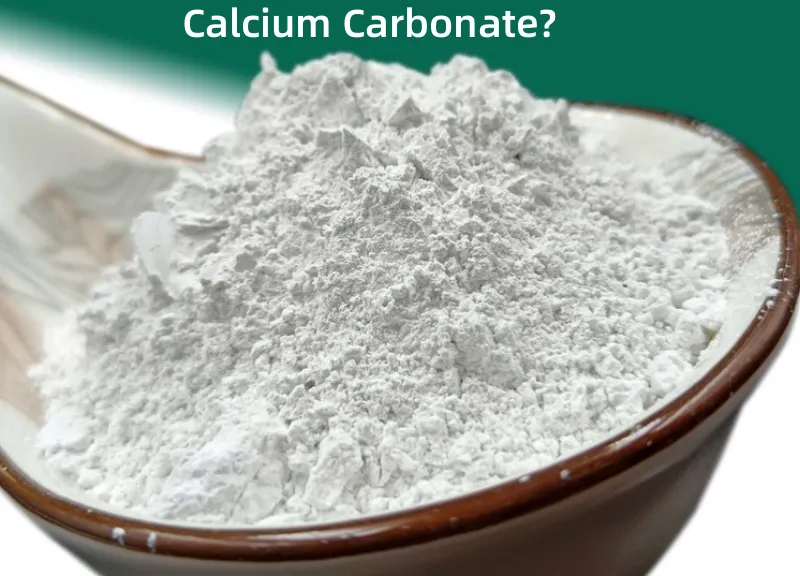
Import Prices in GCC: How Currency Fluctuations Affect Industrial Buyers
Why Supplier Location Matters for Import Prices in GCC
When evaluating Import Prices in GCC, currency movements are only one part of the equation.
The supplier’s production location can have a direct impact on the final landed cost of calcium carbonate. Before the product even reaches a GCC port, several economic factors influence its overall price.
These include:
- Raw-material availability
- Manufacturing costs
- Energy costs
- Labor costs
- Distance from production facilities to ports
- Access to international shipping routes
- Inland transportation requirements
- Export infrastructure
- Shipping efficiency
For industrial minerals such as calcium carbonate, supplier location can become particularly important because transportation represents a meaningful part of the total procurement cost.
HERBOCAL operates in Minya, Egypt, close to high-quality limestone resources used in calcium carbonate production. This proximity to the raw-material source can help reduce unnecessary supply-chain stages between extraction and processing.
The company’s location also provides access to Egypt’s export infrastructure and Mediterranean shipping routes, supporting the movement of products toward international markets.
For buyers evaluating Import Prices in GCC, the economics of the supplier’s location should therefore be considered alongside the quoted price per metric ton.
A competitive product price can lose its advantage if inland transportation, export handling, or international freight significantly increase the final landed cost.
HERBOCAL’s Approach to International Pricing
For international buyers, Import Prices in GCC are influenced by the complete journey of the product from the production facility to the destination market.
At HERBOCAL, pricing considerations are connected to the wider supply chain rather than being based solely on the cost of the mineral itself.
The company produces ground and coated calcium carbonate from limestone sourced in the Minya region and serves customers across international markets.
This integrated approach focuses on several factors that matter when managing international calcium carbonate procurement.
Product Quality
The material must meet the technical requirements of the customer’s specific application.
A lower purchase price has limited value if inconsistent particle size, purity, moisture, or coating quality creates production problems after delivery.
Production Efficiency
Efficient processing and quality control can help manufacturers maintain competitive supply economics while producing grades suitable for different industrial applications.
Supply Reliability
Industrial manufacturers require consistent access to essential raw materials.
Supply interruptions can increase the actual cost of procurement through emergency purchases, production delays, and unplanned logistics expenses.
Export Logistics
The efficiency of moving calcium carbonate from the production facility to international markets can directly influence Import Prices in GCC.
Port access, container availability, shipping routes, documentation, and delivery planning all contribute to the final landed cost.
Long-Term Customer Relationships
Long-term supply relationships can provide greater visibility into expected demand, shipment schedules, and future procurement requirements.
This can help both the supplier and buyer plan more effectively in changing market conditions.
For buyers monitoring Import Prices in GCC, working with a supplier that understands both mineral production and international logistics can support a more strategic procurement approach.
Currency Fluctuations and Supplier Relationships
Currency volatility can create challenges for both international buyers and suppliers.
The buyer wants predictable import costs and stable budgets.
The supplier must manage production costs, energy expenses, labor, logistics, and other operational variables.
When exchange rates change rapidly, the difference between these two objectives can create commercial pressure.
The most effective approach is usually greater transparency and clearer communication.
Buyers and suppliers should discuss the factors that may influence future pricing, including:
- Contract duration
- Currency used for quotations
- Quotation validity periods
- Expected order volume
- Delivery schedules
- Payment terms
- Price-review mechanisms
- Forecasted demand
- Major logistics cost changes
This approach does not eliminate the risks associated with currency movements.
However, it can make those risks easier to understand and manage.
For companies purchasing calcium carbonate regularly, a transparent supplier relationship may provide greater long-term value than simply selecting the supplier with the lowest quotation for a single shipment.
This is particularly important when managing Import Prices in GCC, where changes in exchange rates, freight markets, and regional demand can influence procurement budgets.
What Should GCC Procurement Teams Ask Their Supplier?
Before placing a significant international calcium carbonate order, procurement teams should ask practical questions that go beyond the basic price per ton.
1. Is the Price Quoted in USD or Another Currency?
The quotation currency determines how directly foreign-exchange movements may affect the transaction.
Procurement teams should understand their own currency exposure before agreeing to long-term purchasing arrangements.
2. How Long Is the Quotation Valid?
International market conditions can change quickly.
A quotation with a short validity period may expose the buyer to additional pricing uncertainty if raw-material, freight, or currency conditions change before the order is confirmed.
3. What Is Included in the Quoted Price?
To accurately evaluate Import Prices in GCC, buyers should clearly understand the commercial terms.
Important questions include whether the quotation includes:
- Packaging
- Inland transportation
- Port handling
- Export documentation
- Ocean freight
- Insurance
Understanding the applicable Incoterms is essential when comparing quotations from different suppliers.
4. Can the Supplier Support Scheduled Purchasing?
For manufacturers with recurring consumption, scheduled purchasing may provide better visibility into future supply requirements.
Planned orders can also help coordinate production schedules, shipment volumes, and inventory levels.
5. Can the Supplier Maintain Consistent Quality?
Price stability is only valuable when the product specifications remain consistent.
Buyers should confirm that future shipments can maintain the required standards for:
- Chemical purity
- Particle size
- Whiteness
- Moisture content
- Surface treatment
- Packaging quality
6. What Happens if Market Conditions Change?
Before entering a significant supply agreement, buyers should understand how major market changes will be addressed.
Clear communication before problems occur can help prevent misunderstandings later.
Why Cost Stability Is About More Than Currency
It is easy to assume that stable exchange rates automatically result in stable Import Prices in GCC.
In reality, international procurement costs are influenced by several interconnected variables.
A GCC manufacturer may experience higher calcium carbonate import costs even when currency exchange rates remain relatively stable.
Possible reasons include:
- Higher ocean freight rates
- Increased energy costs
- Changes in raw-material costs
- Container shortages
- Port congestion
- Increased regional demand
- Higher packaging costs
- Changes in import regulations
- Inland transportation increases
For this reason, experienced procurement teams evaluate the complete supply chain rather than focusing exclusively on foreign-exchange movements.
The goal is not simply to find the cheapest shipment today.
The goal is to build a procurement model that remains commercially sustainable under changing market conditions.
This is why supply-chain resilience has become increasingly important when evaluating Import Prices in GCC.
HERBOCAL: Supporting More Predictable Industrial Sourcing
For companies importing calcium carbonate into GCC markets, supplier selection is ultimately a strategic procurement decision.
The right supplier should provide more than a competitive quotation.
Industrial buyers also need:
- Reliable product quality
- Consistent technical specifications
- Competitive supply economics
- Export capability
- Efficient logistics coordination
- Professional communication
- Flexible order planning
- Reliable delivery schedules
- Long-term supply support
HERBOCAL’s approach combines calcium carbonate production with an understanding of the commercial and logistical requirements of international customers.
For procurement teams managing Import Prices in GCC, this broader perspective can help shift the purchasing decision away from short-term price comparisons and toward a more complete evaluation of total landed cost, supply reliability, and long-term value.
In international mineral sourcing, the most competitive supplier is not always the one offering the lowest initial quotation.
Often, the better commercial decision is the supplier capable of delivering the right product, at consistent quality, through a reliable supply chain, with predictable costs over time.
HERBOCAL combines its production base in Minya with international export capabilities and a growing network of customers and distributors across global markets.
For GCC manufacturers, this creates an opportunity to work with a supplier that understands the realities of international industrial procurement.
The Bottom Line
Currency fluctuations can affect GCC import prices, but they are only one part of a much larger equation.
The smartest procurement strategy is not to try to predict every movement in the currency market.
Instead, manufacturers should focus on controlling what they can:
Choose reliable suppliers.
Understand the total landed cost.
Plan purchases according to actual demand.
Monitor international market conditions.
Build long-term supply relationships.
And most importantly, evaluate the supplier based on the total value it can provide—not simply the price written on a quotation.
For GCC manufacturers sourcing calcium carbonate, HERBOCAL combines Egyptian mineral resources, controlled production, international export capabilities, and a focus on long-term customer relationships.
When procurement is planned strategically, currency fluctuations become a factor to manage—not an unexpected threat to profitability.
Looking for a reliable calcium carbonate supplier for your GCC operations? Contact HERBOCAL to discuss your required grade, order volume, delivery destination, and long-term supply needs.
Frequently Asked Questions
How do currency fluctuations affect GCC import prices?
Currency movements can change the effective cost of imported products when the supplier’s quotation or underlying costs are denominated in a different currency. The effect depends on the currencies involved and the structure of the transaction.
Are GCC currencies affected by the U.S. dollar?
Several GCC currencies maintain fixed or highly stable relationships with the U.S. dollar. This reduces some exchange-rate risks for dollar-denominated transactions, although GCC import prices can still be affected by movements between the dollar and other global currencies.
Does currency fluctuation directly change calcium carbonate prices?
Not necessarily. Calcium carbonate prices are influenced by multiple factors, including raw-material costs, processing, energy, freight, demand, supply conditions, and commercial agreements. Currency movements are one factor among several.
How can GCC manufacturers manage currency-related procurement risks?
Manufacturers can improve predictability by comparing total landed costs, planning purchases in advance, understanding quotation currencies, forecasting demand, and developing long-term relationships with reliable suppliers.
Why is supplier location important when importing calcium carbonate?
Supplier location can influence raw-material availability, production costs, transportation, port access, and export efficiency. HERBOCAL’s production base in Minya, Egypt, provides access to local limestone resources and shipping through Alexandria Port.
Does HERBOCAL supply calcium carbonate to GCC markets?
HERBOCAL states that it serves customers and distributors across the Middle East as part of its international market network.