Treated Calcium Carbonate is one of the most important factors separating a profitable PVC cable manufacturing line from one that struggles with quality failures, rejected batches, and inefficient production.
Whether a factory is producing:
- Low-voltage building wires
- Flexible cords
- Heavy-duty power cables
- PVC cable compounds
…the pressure to maintain quality, speed, and cost control is constant.
In today’s cable industry, manufacturers are already facing rising and volatile prices for:
- Copper
- Aluminum
- Virgin PVC resin
This means every production decision matters.
One of the most effective ways to reduce compound cost is to replace part of the expensive PVC resin with a mineral filler. But in the cable industry, this is not as simple as adding low-cost powder.
Because electrical cable compounds must meet strict insulation and mechanical standards, using the wrong filler can create major production and product failures.
This is exactly why many cable manufacturers are moving away from inconsistent local fillers and choosing HERBOCAL in Egypt as a trusted supplier of premium Treated Calcium Carbonate.
In this article, we’ll explore why treated calcium carbonate is essential for PVC cable compounds—and how HERBOCAL helps manufacturers improve both performance and profitability.
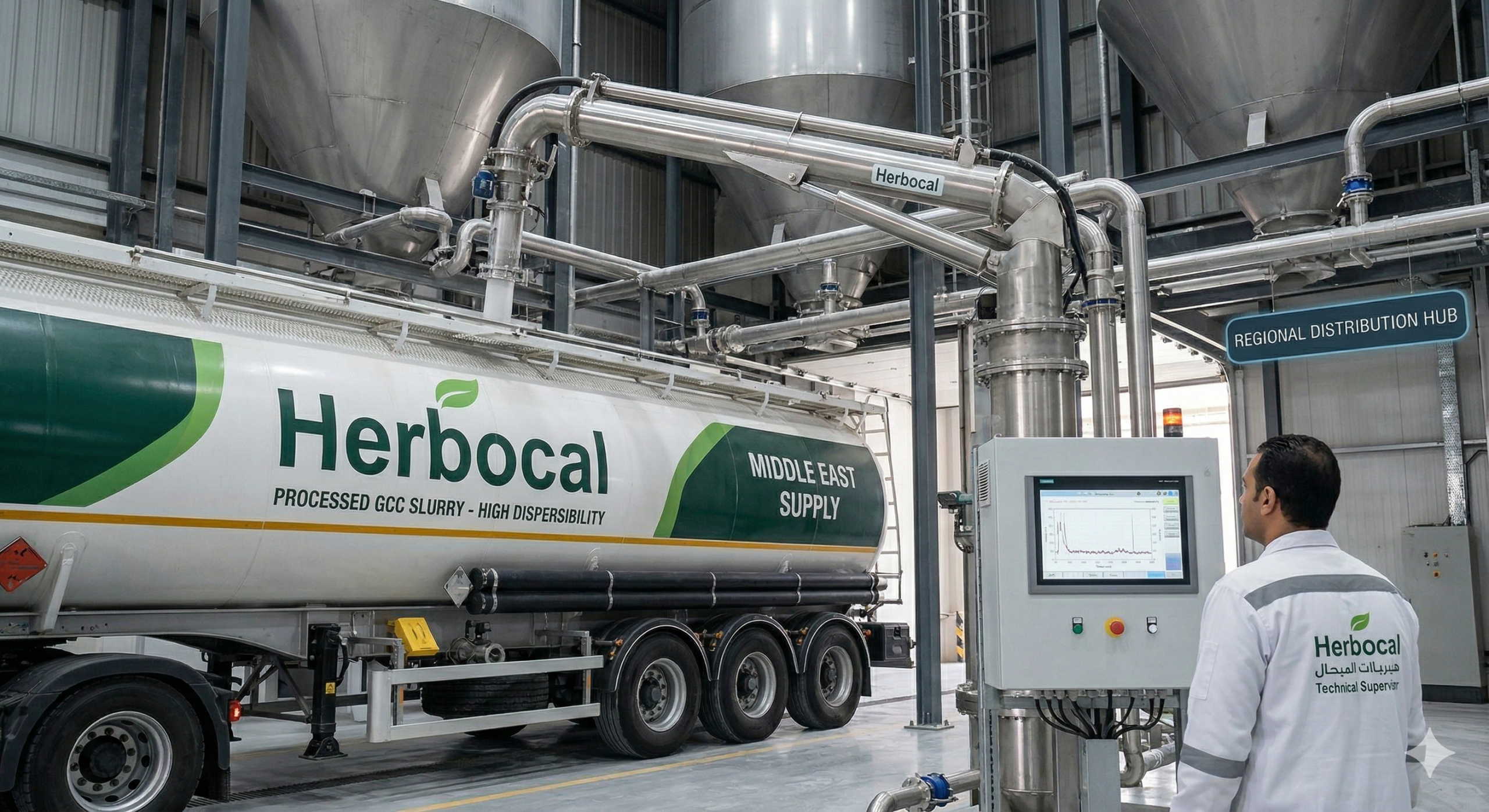
Treated Calcium Carbonate: Why Egyptian GCC is the Cost-Effective Filler for PVC Cable Compounds
1) Why Untreated Calcium Carbonate Causes Problems in Cable Compounds
For electrical cable manufacturers, one property matters above almost everything else:
Electrical insulation performance
More specifically, cable compounds must maintain high volume resistivity, meaning they must effectively resist electrical current and function as safe insulators.
The Problem with Untreated Fillers
Standard untreated calcium carbonate is naturally hydrophilic, which means it tends to attract and absorb moisture from the surrounding air.
When untreated filler is used in PVC cable compounds, this can create several serious problems:
- Moisture absorption inside the compound
- Lower insulation resistance
- Reduced volume resistivity
- Porosity and bubbles during extrusion
- Increased risk of failed electrical testing
Even microscopic moisture can negatively affect cable performance.
During high-speed cable extrusion, trapped moisture may create:
- Surface defects
- Internal porosity
- Weak insulation layers
- Rejected finished products
This is why untreated filler is a risky choice for serious cable manufacturers.
2) Why Treated Calcium Carbonate Performs Better
At HERBOCAL, we engineer Treated Calcium Carbonate specifically for demanding polymer and cable applications.
How the Treatment Works
Our finely processed Egyptian calcium carbonate is coated with a carefully controlled percentage of Stearic Acid.
This surface treatment changes the behavior of the mineral particles by making them:
- Hydrophobic (water-repelling)
- Easier to disperse in PVC
- More compatible with polymer systems
The Result for Cable Manufacturers
This treatment helps manufacturers achieve:
- Better moisture resistance
- Higher electrical insulation performance
- More stable volume resistivity
- Cleaner extrusion behavior
- Better compliance with cable quality standards
For PVC cable compounds, this is a major technical advantage.
3) Improved Insulation Performance in PVC Cable Applications
One of the most important benefits of Treated Calcium Carbonate is its contribution to electrical insulation reliability.
When properly coated and dispersed, the filler is far less likely to introduce moisture-related defects into the PVC matrix.
Benefits for electrical cable compounds include:
- Improved insulation resistance
- Better dielectric behavior
- Reduced moisture-related failures
- More reliable test performance
This helps manufacturers produce cable compounds that are better suited to meeting strict industrial and safety standards.
4) Better Dispersion Means Better Cable Quality
If a PVC cable comes out with:
- A rough surface
- Bumpy texture
- Matte or inconsistent finish
- Weak mechanical points
…one of the likely causes is poor filler dispersion.
Why Dispersion Matters
PVC and mineral fillers do not naturally bond or mix perfectly on their own.
If the calcium carbonate is not properly treated, it may:
- Clump together (agglomeration)
- Create weak spots in the cable jacket
- Reduce surface quality
- Affect stripping performance
- Increase process instability
These issues can lead to both aesthetic and functional defects.
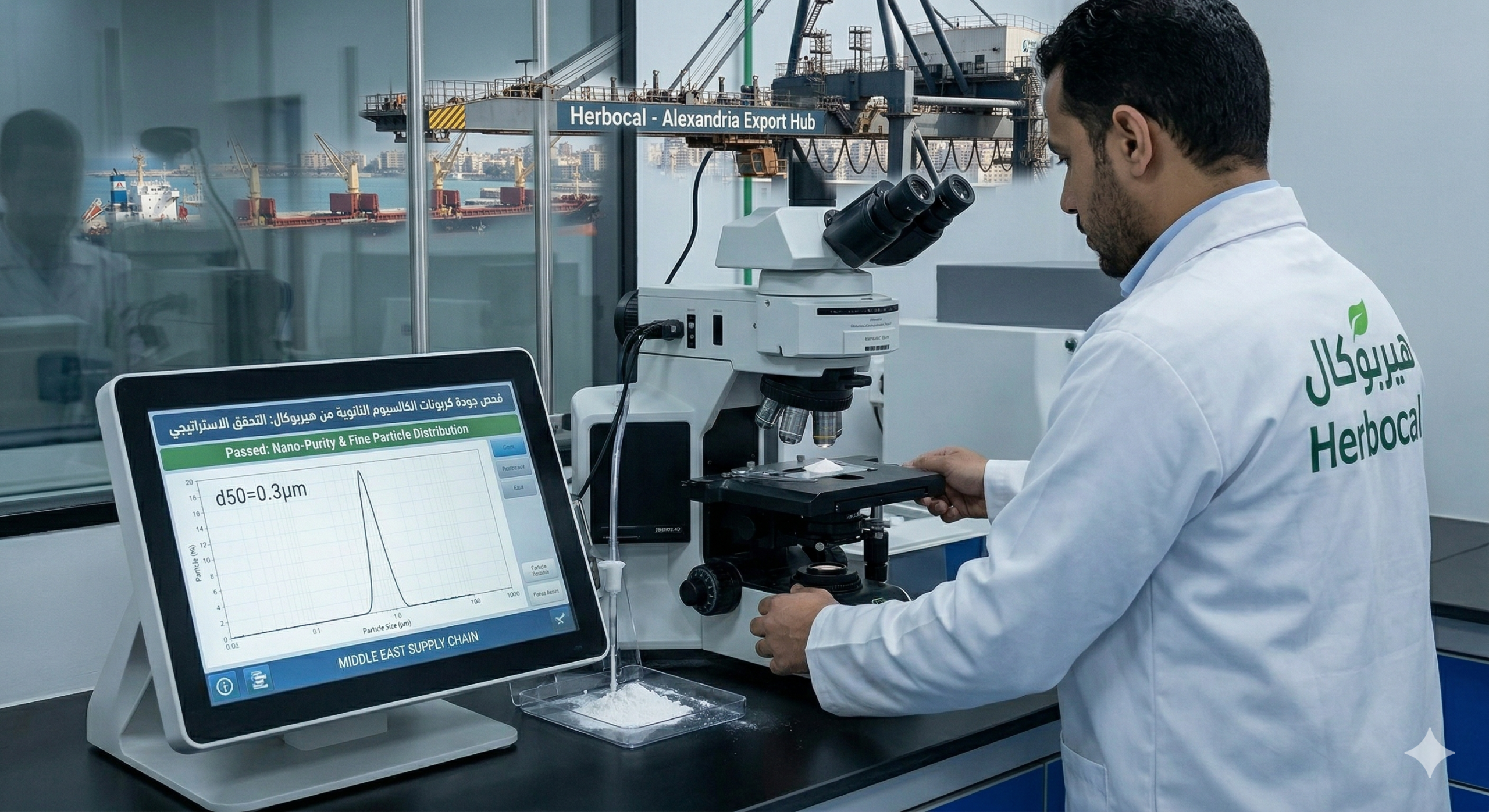
Treated Calcium Carbonate: Why Egyptian GCC is the Cost-Effective Filler for PVC Cable Compounds
5) How HERBOCAL Improves Dispersion in PVC Compounds
The Stearic Acid coating used in HERBOCAL’s Treated Calcium Carbonate acts as a compatibilizer between the organic PVC polymer and the inorganic mineral particles.
This improves filler behavior during compounding and extrusion.
Advantages include:
- Faster and more uniform mixing
- Better filler distribution
- Reduced agglomeration
- More stable extrusion process
- Improved cable jacket consistency
The Visible Result
Better dispersion leads to a final cable product with:
- A smoother outer surface
- Better visual appearance
- More professional finish
- Improved stripping and handling performance
This is especially important in competitive cable markets where both performance and appearance matter.
6) Higher Extrusion Efficiency and Lower Machine Stress
Another major advantage of treated calcium carbonate in cable compounds is its effect on processing efficiency.
How It Helps During Extrusion
Because HERBOCAL’s coated particles behave more smoothly inside the polymer system, they help reduce internal friction during extrusion.
This can support:
- Smoother material flow
- Reduced machine resistance
- Lower energy demand
- More stable extrusion conditions
- Higher production efficiency
In many cable production lines, this can translate into:
- Better machine output
- Less operational stress
- Improved productivity
- Reduced cleaning interruptions
For manufacturers focused on uptime and efficiency, this is a highly valuable benefit.
7) Why Egyptian Calcium Carbonate Offers a Stronger Starting Point
A common question from cable manufacturers is:
Why import calcium carbonate from Egypt instead of using local material?
The answer comes down to purity and consistency.
Why Purity Matters in Cable Manufacturing
Cable compounds are sensitive to impurities.
Lower-grade limestone sources may contain:
- Iron traces
- Heavy mineral contamination
- Conductive impurities
- Abrasive silica
These contaminants can negatively affect:
- Electrical insulation performance
- Surface quality
- Processing stability
- Equipment wear
The HERBOCAL Advantage
HERBOCAL sources its material from the Minya region in Egypt, one of the world’s most respected sources of premium limestone.
This material is known for:
- Over 99% CaCO₃ purity
- Very low impurity levels
- High natural whiteness
- Excellent softness and consistency
This gives cable manufacturers a cleaner, safer, and more reliable filler for demanding PVC applications.
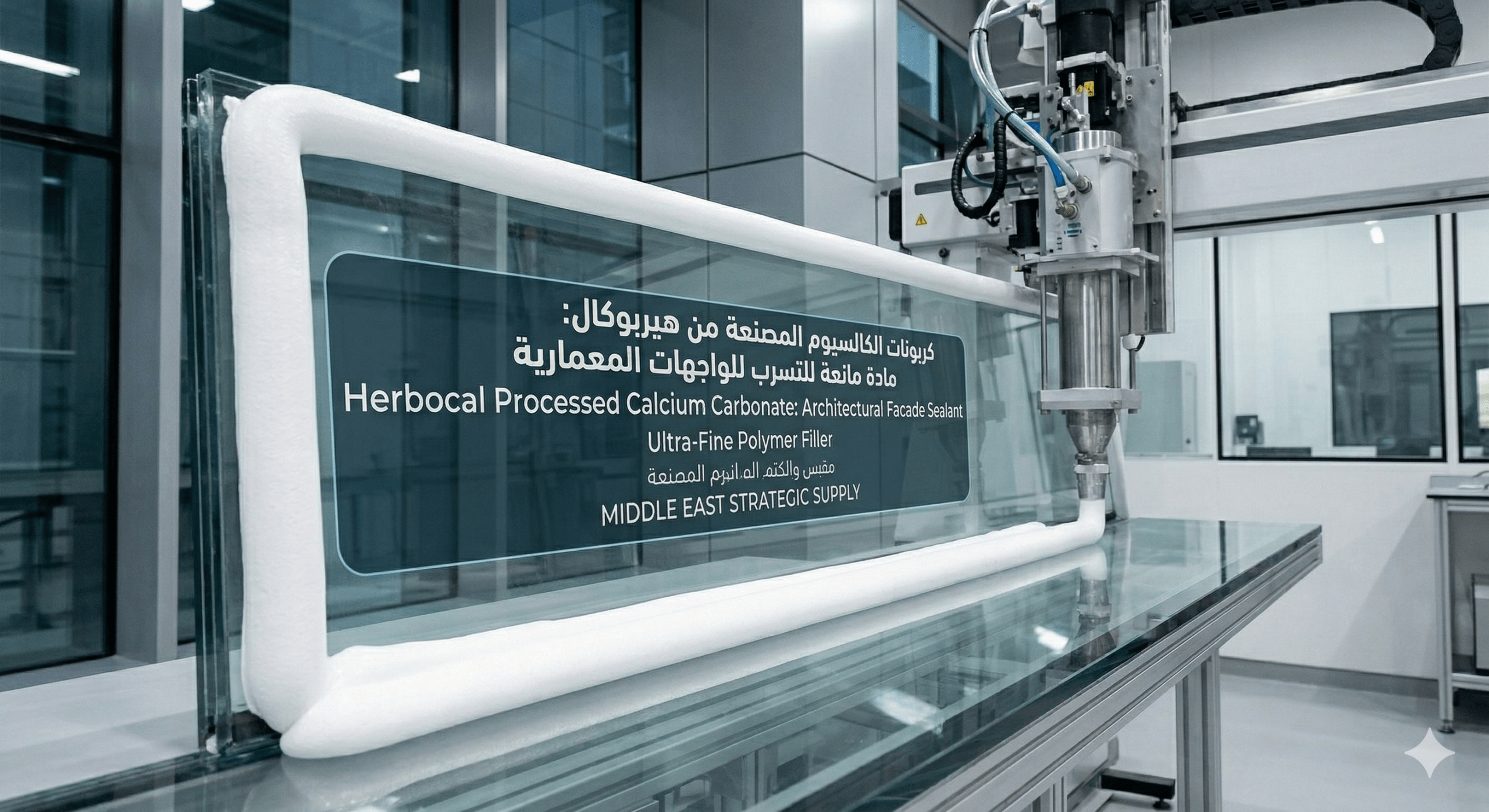
Treated Calcium Carbonate: Why Egyptian GCC is the Cost-Effective Filler for PVC Cable Compounds
8) Reduced Wear on Machinery and Better Long-Term Processing
Abrasive filler materials can slowly damage production equipment over time.
For cable compounders, this can lead to:
- Faster screw wear
- Barrel damage
- More maintenance downtime
- Higher repair costs
Because HERBOCAL’s calcium carbonate is both high-purity and low in abrasive contaminants, it is more compatible with long-term industrial use.
This helps manufacturers protect expensive extrusion equipment while maintaining more stable processing conditions.
9) The Real Cost Advantage: Increasing Filler Loading Safely
The biggest reason manufacturers use fillers in PVC cable compounds is simple:
Cost reduction
PVC resin is expensive and often linked to global petrochemical pricing.
By replacing part of the resin with high-quality mineral filler, manufacturers can significantly reduce formulation cost.
But only if the filler performs correctly
If the filler is low quality, higher loading levels may cause:
- Weak mechanical performance
- Poor elongation
- Reduced tensile strength
- Failed insulation tests
- Surface defects
Why HERBOCAL Helps Protect Performance
Because HERBOCAL’s treated calcium carbonate is:
- High in purity
- Finely micronized
- Properly coated
- Consistent in particle size
…it integrates more effectively into the PVC compound without causing the same level of performance loss associated with poor fillers.
This gives manufacturers the ability to:
- Increase filler loading more safely
- Reduce resin usage
- Lower overall compound cost
- Improve profitability
This makes treated calcium carbonate not just a filler—but a strategic cost optimization tool.
10) Reliable Export Supply for Global Cable Manufacturers
Performance means little without reliable supply.
At HERBOCAL, we understand that cable manufacturers need:
- Consistent product quality
- Reliable shipping schedules
- Proper packaging
- Smooth export operations
Export Packaging Designed for Industrial Use
Our cable-grade Treated Calcium Carbonate is supplied in:
- Heavy-duty jumbo bags
- 25kg industrial sacks
- Moisture-protected packaging options
This helps ensure the product arrives:
- Dry
- Free-flowing
- Protected during transit
- Ready for immediate production use
Global Supply Advantage
Thanks to Egypt’s strategic location, HERBOCAL is well positioned to supply cable manufacturers across:
- Africa
- Middle East
- Europe
- Asia
This gives buyers access to shorter transit times and more flexible logistics compared to distant supply chains.
Why Cable Manufacturers Choose HERBOCAL
At HERBOCAL, we understand the specific technical requirements of PVC cable compounds.
Why manufacturers trust HERBOCAL:
- High-purity Egyptian calcium carbonate
- Stearic Acid treated grades for polymer compatibility
- Consistent particle size distribution
- Low moisture sensitivity
- Reliable export and industrial packaging
- Technical support for compounding applications
We do not simply supply powder—we help manufacturers build better, more efficient, and more profitable formulations.
Conclusion
Treated Calcium Carbonate is a critical raw material for PVC cable manufacturers looking to improve product quality while controlling formulation costs.
In cable compounding, the right filler can help manufacturers achieve:
- Better insulation performance
- Improved dispersion
- Smoother cable surfaces
- More stable extrusion
- Lower production costs
With HERBOCAL’s premium Egyptian GCC, cable producers gain access to a high-purity, engineered filler solution designed specifically for demanding polymer and electrical applications.
If you are ready to improve your PVC cable compounds, reduce resin costs, and increase production efficiency, HERBOCAL is ready to support your next stage of manufacturing growth.